Quadriceps Muscle Strain: Recovery, Treatment & Exercises
What we’ll cover
If you’ve experienced a sudden, sharp pain in the front of your thigh during sport or exercise, you may be dealing with a quadriceps muscle strain. This common injury affects athletes and active individuals, particularly those involved in sports requiring sprinting, kicking, and rapid changes of direction. Understanding what causes this injury, how to recognise it, and the most effective treatment approaches can help you achieve a full recovery and prevent future occurrences.
What is a Quadriceps Muscle Strain?
A quadriceps muscle strain, also called a muscle strain in the quad or pulled quad, happens when one or more of the four muscles at the front of your thigh are stretched beyond their limit and tear.
The quadriceps group includes four muscles: the rectus femoris, vastus lateralis, vastus medialis, and vastus intermedius. These powerful muscles work together to straighten your knee and help flex your hip, essential movements for walking, running, jumping, and kicking.
The injury occurs when excessive force is placed on the muscle fibres during explosive movements like sprinting, kicking, or sudden direction changes. Among the four muscles, the rectus femoris is injured most often because it crosses both the hip and knee joints, making it especially vulnerable during high-intensity activities.
Types and Severity of Quadriceps Muscle Strain
Quadriceps muscle strains are classified into three grades based on how much damage has occurred to the muscle fibres. Understanding these grades helps determine the right treatment and how long recovery will take.
- Grade 1 (Mild Strain): Only a small number of muscle fibres are damaged. You’ll feel mild pain and tightness in your quadriceps, but you can still walk and move fairly normally. The area may be tender to the touch, and you might notice a slight lump or muscle spasm. Most people can continue their activities, though pain often gets worse afterwards.
- Grade 2 (Moderate Strain): A significant number of muscle fibres are torn. You’ll feel a sudden, sharp pain during the activity and won’t be able to continue. Swelling develops within a few hours, and the area becomes quite tender. Bending your affected leg is difficult, and straightening your knee against resistance causes pain. You’ll likely walk with a limp.
- Grade 3 (Complete Rupture): The muscle is completely torn. You’ll experience severe pain and won’t be able to walk without help, like crutches. Significant swelling and bruising appear quickly. You may see or feel a visible gap or bulge in the muscle where it tore. This serious injury requires immediate medical attention and may need surgery.
What Causes Quadriceps Muscle Strain?
Primary Causes
Pain in the quadriceps muscles typically stems from situations where the muscle is forced to contract powerfully while simultaneously being stretched. This eccentric contraction creates enormous tension across the muscle fibers, increasing the risk of tearing. Common scenarios include:
- Explosive kicking movements, such as striking a football or soccer ball at high speed
- Rapid acceleration when sprinting, particularly from a standing start
- Sudden deceleration or stopping movements during running
- Jumping activities that require forceful knee extension
- Direct trauma to the thigh, such as being kicked during contact sports
Risk Factors
Several factors increase your susceptibility to quadriceps muscle strain:
- Inadequate warm-up: Cold, unprepared muscles are significantly more vulnerable to injury. Without proper warming up, muscle fibres remain tight and less elastic, reducing their ability to handle sudden forces.
- Muscle fatigue: When your quadriceps become fatigued during prolonged activity, they lose their ability to effectively absorb and distribute forces, making them more prone to strain.
- Previous injury: Research examining Australian Football League data has identified that previous quadriceps injury is one of the strongest risk factors for subsequent quadriceps muscle strain. This emphasises the critical importance of complete rehabilitation before returning to sport.
- Muscle imbalances: Strength differences between your quadriceps and hamstrings, or between your left and right leg, can compromise muscle coordination during movement and increase injury risk.
- Poor flexibility: Tight quadriceps muscles have a reduced range of motion and are more susceptible to strain when stretched rapidly during activity.
- Age and training load: While the relationship is complex, inadequate conditioning and suddenly increasing training intensity or duration can overwhelm your muscles’ adaptive capacity.
Recognising the Symptoms
Quadriceps muscle strain presents with distinctive symptoms that usually develop at the time of injury:
Immediate symptoms: Include a sudden, sharp pain at the front of your thigh, often accompanied by a popping or tearing sensation. You may experience immediate weakness and difficulty bearing weight on the affected leg. In severe cases, a visible dent or bulge may appear in the muscle.
Delayed symptoms: Typically emerge within hours to days after the initial injury. These include progressive swelling around the injured area, tenderness when touching the muscle, and bruising that may appear 24 hours or more after the strain. The pain generally worsens with activities that require knee extension or when the quadriceps are stretched.
Quadriceps Muscle Strain Recovery Time
Recovery time depends on how severe your injury is. Here’s what to expect for each grade:
- Grade 1: Strains heal in 2-3 weeks. You can return to light activities within a few days, but wait the full 2-3 weeks before returning to sport.
- Grade 2: Strains take 4-8 weeks to fully recover. The muscle heals in about 3-4 weeks, then you need several more weeks of strengthening before returning to full activity.
- Grade 3: Strains require 3-6 months or longer. Severe tears may need surgery, which extends recovery time. Even with the best treatment, returning to competitive sport takes at least 3 months.
Your recovery speed also depends on your age, fitness level, which muscle is injured, and how well you follow your rehabilitation program. Don’t rush back too soon. Returning to activity before you’re fully healed greatly increases your risk of re-injury and can lead to chronic problems.
Initial Treatment Approach
For the first 48-72 hours after injury, follow the RICER protocol recommended by sports medicine professionals. This helps stop bleeding, reduce swelling, and promote healing.
- Rest: Stop the activity immediately and avoid movements that cause pain. Use crutches for severe strains.
- Ice: Apply ice for 15-20 minutes every two hours for the first 48 hours. Put a thin towel between the ice and your skin to prevent ice burns.
- Compression: Wrap a compression bandage around your thigh to limit swelling. It should be firm but not too tight.
- Elevation: Keep your leg raised above heart level when resting to reduce swelling.
- Referral: See a physiotherapist or sports doctor for proper assessment and treatment guidance.
Also, follow the No HARM protocol for 48-72 hours: avoid Heat, Alcohol, Running or activity, and Massage. These can worsen bleeding and swelling.
Progressive Rehabilitation and Exercise
After the first few days, treatment focuses on restoring your muscle function. Your physiotherapist will guide you through these phases:
- Early mobilisation (first 1-2 weeks): Gentle, pain-free movements to prevent stiffness. This includes ankle pumps, gentle quad contractions, and assisted knee bending.
- Strengthening (weeks 2-6): Progressive exercises to rebuild muscle strength. You’ll start with simple exercises like seated leg extensions and wall squats, then move to more challenging movements.
- Functional training (weeks 4-8): Sport-specific movements to prepare you for return to activity. This includes agility drills, jumping exercises, and movements related to your sport.
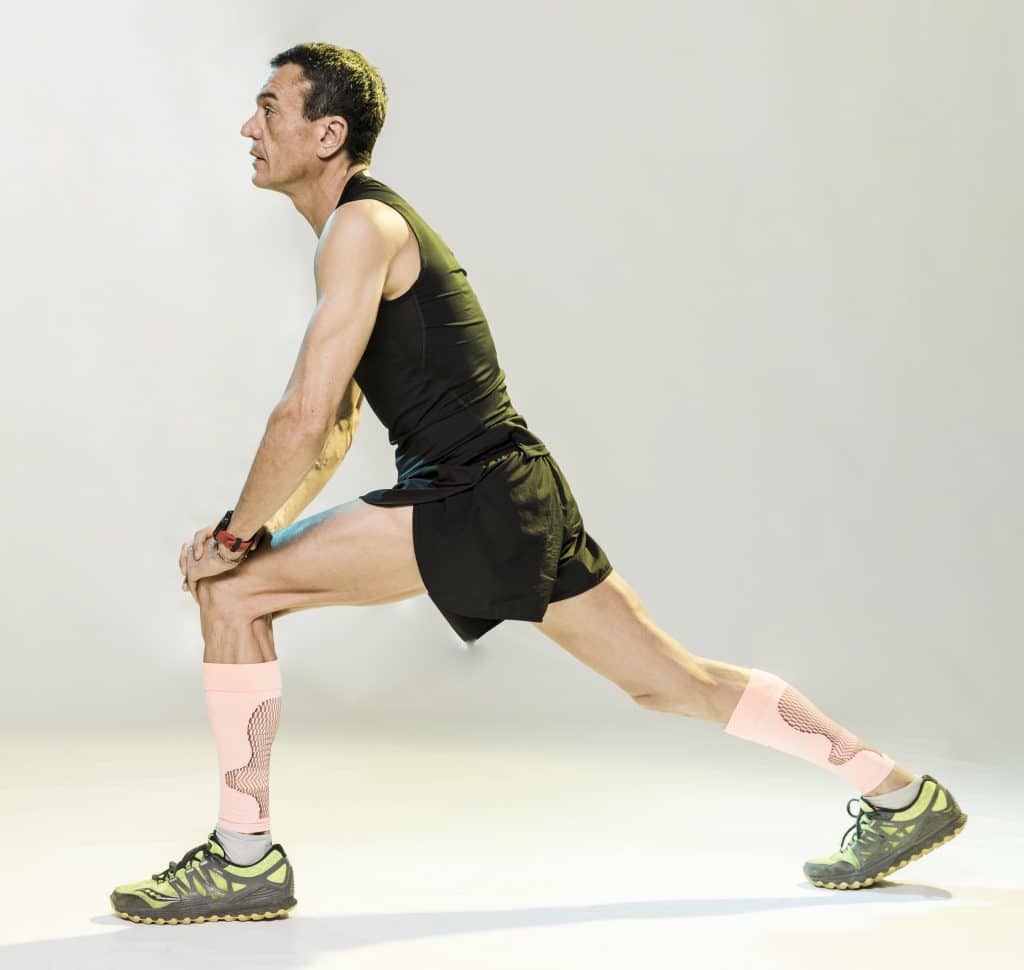
Return to sport (final phase): Gradual return to full training and competition. Your physiotherapist will check that you have at least 85% strength in your injured leg, a full range of motion, and can perform sport movements without pain before clearing you to play.
How ME Physio Can Help
Professional physiotherapy is essential for proper quadriceps muscle strain recovery. At ME Physio, our experienced physiotherapists provide expert assessment and treatment tailored to your specific needs.