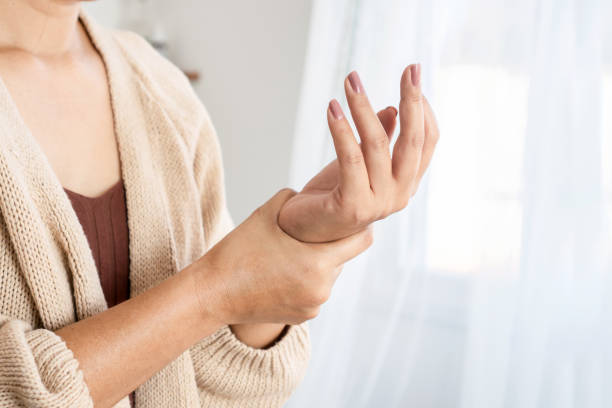
Wrist Pain: Causes, Symptoms and Treatment Options
What we’ll cover
- Anatomy of the Wrist
- Common Causes of Wrist Pain
- Acute (Sudden) Causes
- Chronic (Gradual Onset) Causes
- Symptoms of Wrist Pain
- When to Seek Medical Attention
- How Is Wrist Pain Diagnosed?
- Treatment for Wrist Pain
- Immediate First Aid
- Medications
- Immobilisation
- Physiotherapy
- Surgery
- How to Prevent Wrist Pain
- Ergonomics and Workplace
- Sport and Physical Activity
- General Safety
Wrist pain is one of those complaints that quietly takes over daily life. Suddenly, opening a jar, typing at a desk, or gripping a steering wheel becomes harder than it should be. The wrist is a remarkably complex joint, and because of that complexity, pain can arise from many different sources. Understanding what is causing your pain is the first step toward treating it effectively.
Anatomy of the Wrist
The wrist is the joint connecting the forearm to the hand. It is made up of eight small carpal bones, two forearm bones (the radius and ulna), and a dense network of muscles, tendons, ligaments, nerves, and blood vessels. This intricate architecture is what allows such a wide range of movement and fine motor control, but it also means there are many structures that can become injured or irritated.
Where the pain sits within the wrist often points toward its likely cause:
- Radial wrist pain (thumb side): commonly associated with De Quervain’s tenosynovitis or a scaphoid fracture
- Ulnar wrist pain (pinkie side): often linked to ligament injuries or triangular fibrocartilage complex (TFCC) tears
- Central or diffuse pain: may suggest carpal tunnel syndrome, arthritis, or a generalised sprain

Common Causes of Wrist Pain
Acute (Sudden) Causes
The most common mechanism of acute wrist injury is a fall onto an outstretched hand. This single action can cause sprains, fractures, or ligament damage depending on the force involved.
Scaphoid fractures occur in the small bone near the base of the thumb and are particularly easy to miss because they may not appear on an X-ray immediately after injury. If left untreated, they can lead to long-term complications.
Radius fractures are among the most frequently broken bones in the forearm, especially in falls. Ligament sprains or ruptures are also common, ranging from mild stretching to complete tears that destabilise the joint.
High-risk sports, including football, snowboarding, gymnastics, and racket sports, carry significant wrist injury risk. Infections from bite wounds or cellulitis can also cause acute wrist pain, typically accompanied by redness and warmth.
Chronic (Gradual Onset) Causes
Chronic wrist pain tends to build slowly, often as a result of repetitive movement or underlying disease.
Repetitive strain injuries develop when the same wrist motion is performed repeatedly over extended periods without adequate rest. Manual labourers, hairdressers, musicians, and office workers are commonly affected.
De Quervain’s tenosynovitis is inflammation of the tendons that run to the thumb. It causes pain and swelling on the back and outer side of the wrist, sometimes extending toward the elbow, and is typically triggered by repetitive gripping or pinching.
Carpal tunnel syndrome results from compression of the median nerve as it passes through the carpal tunnel. It causes burning pain in the palm, pins and needles, and numbness in the thumb, index, and middle fingers, often worse at night. In more advanced cases, symptoms can radiate to the forearm or shoulder. Risk is increased by pregnancy, diabetes, obesity, and rheumatoid arthritis.
Other chronic conditions include wrist tendinitis (overuse-related tendon inflammation), bursitis (inflammation of the small fluid-filled sacs that cushion the joint), osteoarthritis (cartilage wear, more common in those with a history of wrist injury), and rheumatoid arthritis (an autoimmune condition that typically affects both wrists simultaneously).
Ganglion cysts are fluid-filled lumps that form on the back of the wrist and may cause variable pain with activity. Kienbock’s disease is a less common but serious condition involving progressive loss of blood supply to one of the small wrist bones (the lunate), causing worsening pain and stiffness, most often in young adults.
Symptoms of Wrist Pain
The character of wrist pain varies widely depending on what is causing it. Common symptoms include:
- Sharp, dull, or aching pain, which may be felt throughout the wrist or in a specific location
- Pain when performing particular movements such as extending the thumb, opening a jar, or turning a key
- Tingling or pins and needles (particularly with carpal tunnel syndrome)
- Numbness in the fingers or hand
- Weakness in grip strength
- Swelling, bruising, or visible deformity (more pronounced in acute injury)
- Stiffness and reduced range of motion
- Warmth or redness over the wrist, which may indicate infection or inflammatory arthritis
Wrist pain is considered acute when it lasts around two weeks and chronic when it persists beyond three months.
When to Seek Medical Attention
Go to the emergency department if you experience:
- Severe wrist pain following trauma
- A snap, pop, or grinding sound at the time of injury
- Visible deformity, or a wrist that looks pale or discoloured
- Sudden loss of strength in the hand or wrist
- Inability to move the fingers, hand, or wrist
See a doctor or physiotherapist if:
- Pain and swelling persist beyond a few days
- Symptoms are gradually worsening rather than improving
- Tingling, pins and needles, or numbness is ongoing
- Wrist pain has been present for several months
- Pain is affecting your ability to work or complete daily tasks
How Is Wrist Pain Diagnosed?
Diagnosis begins with a clinical history covering the mechanism of injury, occupation, hobbies, onset of symptoms, and how long they have been present.
A physical examination will typically include visual inspection for swelling or discolouration, palpation to identify the specific location of tenderness, range of motion testing, and grip strength assessment. Specific clinical tests help narrow the diagnosis: Phalen’s test and Tinel’s sign are used to assess for carpal tunnel syndrome, while Finkelstein’s test is used for De Quervain’s tenosynovitis.
Imaging is ordered when further information is needed:
- X-ray: identifies fractures and rules out bony pathology; note that scaphoid fractures may not appear immediately after injury
- Ultrasound: useful for assessing soft tissue structures, tendons, and ganglion cysts
- MRI: provides detailed imaging of ligaments, cartilage, and soft tissue; preferred when ligament injury or Kienbock’s disease is suspected
- CT scan: used when complex bony anatomy requires more detail than X-ray can provide
In some cases, no clear cause can be identified. Ongoing monitoring and physiotherapy remain appropriate even when imaging is inconclusive.
Treatment for Wrist Pain
Immediate First Aid
For acute wrist injuries, the RICER protocol is the recommended starting point:
- Rest: limit movement and avoid activities that aggravate the pain
- Ice: apply for 10 to 15 minutes every one to two hours, wrapped in a cloth; never directly on the skin
- Compression: a firm bandage to control swelling, without restricting circulation
- Elevation: raise the wrist above heart level; a sling can be helpful
- Referral: seek assessment from a GP or physiotherapist promptly
Follow the No HARM guidelines for the first 48 to 72 hours: no heat, no alcohol, no running or activity, and no massage.
Minor injuries with mild pain that resolve within one to three days may not require further treatment. If pain persists, is severe, or is accompanied by significant swelling or bruising, professional assessment is warranted.
Medications
Paracetamol can help manage pain in the short term. NSAIDs such as ibuprofen or naproxen reduce both pain and inflammation; always follow prescribing instructions and consult a doctor if there are any contraindications. Corticosteroid injections may be recommended for conditions such as carpal tunnel syndrome, De Quervain’s tenosynovitis, or bursitis when conservative management alone is not providing sufficient relief.
Immobilisation
Splints or braces are particularly useful for arthritis, De Quervain’s tenosynovitis, and carpal tunnel syndrome, as they support the joint and reduce load during daily activities. An occupational therapist can advise on the most appropriate splint type. Confirmed fractures require casting to ensure correct alignment during healing.
Physiotherapy
Physiotherapy is central to recovery for the majority of wrist conditions, whether acute or chronic. Treatment typically includes exercises to restore range of motion, rebuild grip strength, and improve proprioception, alongside soft tissue techniques and manual therapy to reduce pain and improve movement. Activity modification and load management advice helps prevent recurrence.
Rehabilitation programmes are especially valuable following fractures, ligament injuries, or surgery, where pain and prolonged immobility can lead to significant muscle wasting and joint stiffness.
Surgery
Surgery is considered when conservative treatment has not produced adequate improvement, or for specific conditions, including carpal tunnel syndrome (nerve decompression), fractures that have not healed correctly, ligament or tendon ruptures, ganglion cyst removal when symptomatic, and severe arthritis. Procedures may be open or arthroscopic (keyhole), depending on the nature of the problem.
How to Prevent Wrist Pain
Ergonomics and Workplace
Keep the wrist in a neutral, straight position when using a keyboard or mouse. Lower the keyboard so the wrists do not bend upward when typing. Use a foam or gel wrist rest, and take regular breaks from repetitive tasks. Pacing yourself and varying activities throughout the workday makes a meaningful difference over time.
Sport and Physical Activity
Wear wrist guards for high-risk activities such as snowboarding, inline skating, and gymnastics. Build wrist and forearm strength progressively before increasing training demands. Pay attention to grip technique and equipment, including racket grip size and padded gloves for weightlifting.
General Safety
Appropriate footwear and a clutter-free home environment significantly reduce fall risk, which is particularly important for older adults. Grab bars, handrails, and assistive devices are worth considering for anyone with a higher risk of falling. Maintaining adequate calcium intake (1,000 to 1,200 mg per day for most adults) supports bone strength and helps reduce fracture risk. Ensure adequate rest between repetitive work or training sessions to allow tissue recovery.