Hip Pain: Causes, Relief & When to See a Physio
What we’ll cover
- What Causes Hip Pain?
- Sudden Hip Pain Without Injury
- Hip Pain That Goes Down the Leg
- Groin and Hip Pain
- Hip Pain After Knee Replacement
- Hip Pain During Your Period
- Hip Pain in Women Over 50
- Hip Pain from Sleeping and How to Fix It
- Why You Wake Up With Hip Pain
- Best Sleeping Positions for Hip Pain
- Hip Pain During Pregnancy: Sleep Tips
- How to Relieve Hip Pain at Home
- Stretches for Hip and Lower Back Pain
- Exercises to Relieve Hip Pain
- Hip Pain Massage: Does It Help?
- Products and Aids: Do They Help?
- Hip Pain Pillows
- Best Mattress for Hip and Back Pain
- Provitalize for Hip Pain
- When to See a Physiotherapist for Hip Pain
- How ME Physio Treats Hip Pain
Hip pain is one of the most common complaints seen in physiotherapy and one of the most misunderstood. Whether it started suddenly, crept in over months, or flares up at night when you’re trying to sleep, hip pain can significantly affect your quality of life.
The good news? Most hip pain responds well to the right treatment. This guide covers the most common causes, practical strategies you can start today, and clear signs it’s time to see a physiotherapist.
At ME Physio’s Malvern East and Caulfield South clinics, our team has extensive experience treating hip pain across all ages, with particular expertise in healthy ageing, falls prevention, and NDIS-funded rehabilitation.
What Causes Hip Pain?
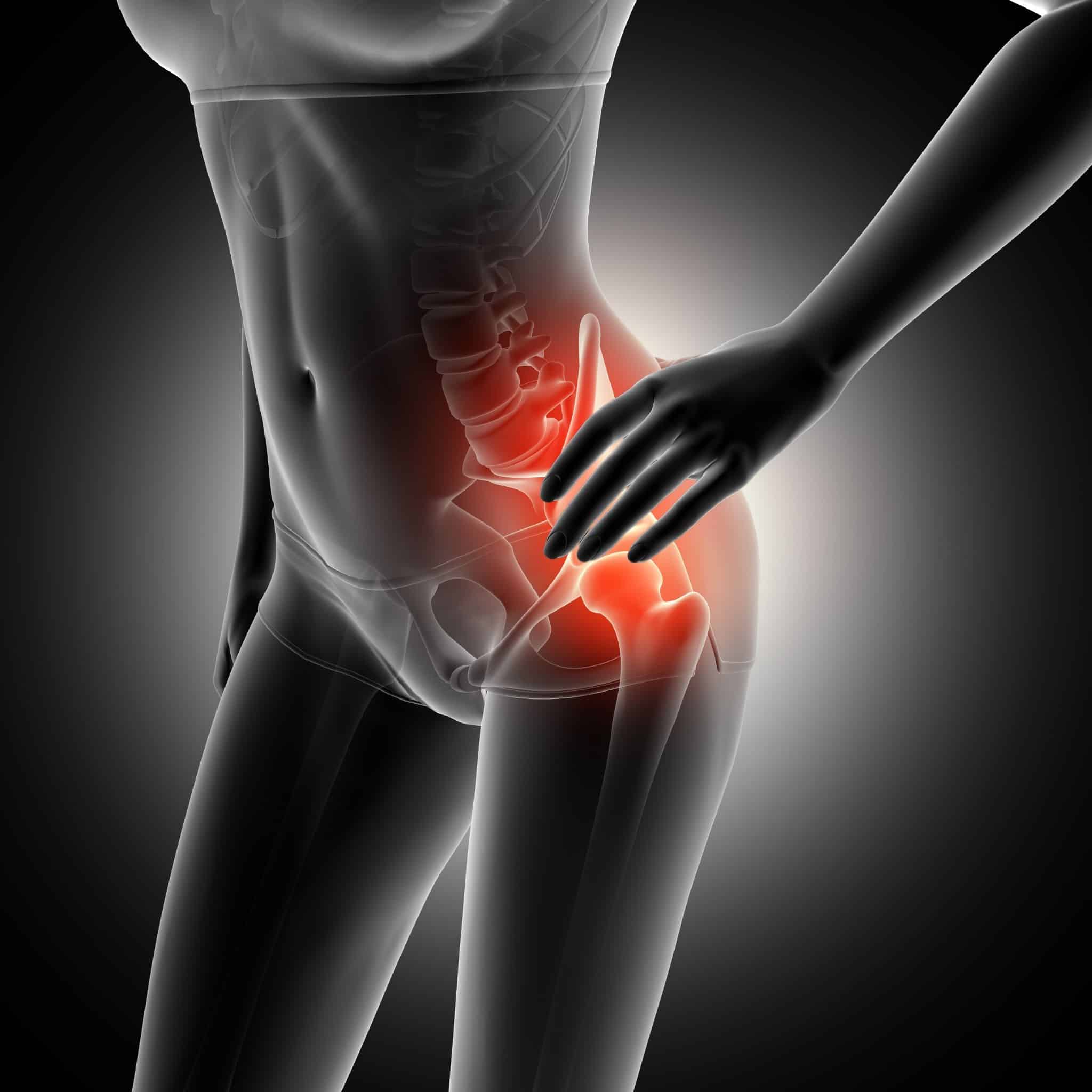
The hip is a complex ball-and-socket joint surrounded by muscles, tendons, bursae, and nerves. Pain can originate from the joint itself, the surrounding soft tissue, or be referred from the lower back or pelvis. Understanding the source is the first step to effective treatment.
Sudden Hip Pain Without Injury
It can be alarming to wake up with sharp hip pain when you haven’t had a fall or obvious injury. This is actually quite common, particularly in women during perimenopause and menopause.
The most frequent culprits include:
- Trochanteric bursitis: inflammation of the fluid-filled sac over the outer hip, often triggered by a change in activity or prolonged sitting
- Tendinopathy: irritation of the gluteal tendons, worsened by crossing the legs or sitting on hard surfaces
- Referred pain from the lower back: lumbar spine issues can mimic hip pain without any direct injury
Hormonal changes in women can reduce tendon resilience and increase susceptibility to bursitis. If you’ve experienced sudden hip pain without an obvious cause, don’t dismiss it. Early assessment and treatment is much more effective than waiting.
Take it seriously if the pain is severe, accompanied by fever, follows a fall, or doesn’t improve within a few days.
Hip Pain That Goes Down the Leg
When hip pain radiates down the leg, particularly into the outer thigh, knee, or even the foot, the nerve is often involved.
Common causes include:
- Sciatica: compression or irritation of the sciatic nerve, usually originating from the lumbar spine
- Piriformis syndrome: the piriformis muscle in the buttock presses on the sciatic nerve, causing pain that travels down the leg
- Hip osteoarthritis: in more advanced cases, joint degeneration can cause referred pain into the thigh and groin
- IT band syndrome: tightness along the outer thigh that can be mistaken for hip or knee pain
Distinguishing between hip-origin and spine-origin pain requires a thorough clinical assessment. A physiotherapist will test hip joint mobility, nerve tension, and spinal movement to identify the true source, which determines the right treatment.
Groin and Hip Pain
Groin and hip pain together often point to structures deep within the joint or at the hip flexor origin. This pattern is particularly common in active older adults and people recovering from surgery.
Possible causes include:
- Hip labral tears: damage to the cartilage rim of the hip socket, often described as a clicking or catching sensation with groin pain
- Adductor tendinopathy: overload or degeneration of the inner thigh tendons
- Psoas tendinopathy: irritation of the hip flexor tendon as it passes over the front of the hip
- Hip osteoarthritis: groin pain is frequently the first reported symptom of hip joint deterioration
If you’re experiencing persistent groin and hip pain that worsens with walking, stairs, or getting up from a chair, a physiotherapy assessment is strongly recommended. Untreated hip joint conditions tend to progress over time.
Hip Pain After Knee Replacement
It’s not uncommon to develop hip pain after knee replacement surgery, even when the operation itself has been a success. This happens because total knee replacement changes the biomechanics of how you walk.
Before surgery, years of knee pain often lead to compensatory movement patterns including altered stride length, hip rotation, and trunk lean. After the knee is corrected, the hip, pelvis, and lower back must adapt. If these compensations have become habitual, the muscles around the hip may be overloaded or out of balance.
Rehabilitation that focuses only on the knee often misses this. A holistic physiotherapy approach addressing hip strength, gait retraining, and movement patterning is essential for full functional recovery. If you’re several months post-surgery and still struggling with hip pain after knee replacement, dedicated physiotherapy can make a significant difference.
Hip Pain During Your Period
Many women experience pelvic and hip pain that worsens during menstruation. This is often dismissed as normal period pain, but it’s worth understanding the underlying mechanisms.
During menstruation, prostaglandins cause uterine contractions that can refer pain to the lower back, hips, and inner thighs. In some women, conditions like endometriosis or adenomyosis create musculoskeletal pain patterns that are easily confused with hip joint or sacroiliac joint problems.
If hip pain during your period is severe, significantly disrupts your life, or doesn’t respond to usual pain relief, speak with your GP and ask for a referral to a women’s health physiotherapist. Treatment may include pelvic floor physiotherapy, soft tissue work, and pain management strategies.
Hip Pain in Women Over 50
If you’re a woman in your 50s noticing increasing hip stiffness, aching, or pain with walking, you’re not imagining it. Hormonal changes during perimenopause and post-menopause have a direct impact on joint and tendon health.
Oestrogen plays a protective role in collagen synthesis, cartilage maintenance, and bone density. As levels decline, tendons become less resilient and joints lose some of their natural protection. This is why hip pain in women aged 52 and over, particularly trochanteric bursitis and hip osteoarthritis, is significantly more common than in men of the same age.
Waiting it out is rarely the right approach. Early physiotherapy intervention focused on strengthening the gluteal and hip stabilising muscles, combined with load management, can significantly reduce pain and slow the progression of hip conditions.
Hip Pain from Sleeping and How to Fix It
Waking up with a stiff, aching hip is one of the most reported sleep complaints among adults over 50. The cause is almost always positional, but the right adjustments can make an immediate difference.
Why You Wake Up With Hip Pain
Sleeping on your side places direct pressure on the greater trochanter, the bony prominence on the outer hip. This compresses the trochanteric bursa and the gluteal tendons, leading to pain that builds throughout the night. People with trochanteric bursitis are particularly sensitive to side-sleeping, regardless of whether their mattress is soft or firm.
Best Sleeping Positions for Hip Pain
If you sleep on your side:
- Place a firm pillow between your knees to reduce hip adduction, which is the dropping of the top leg across the body
- A full-length body pillow provides additional support and stops you from rolling forward
- Avoid crossing your top leg over, as this compresses the outer hip structures significantly
If you sleep on your back:
- Place a pillow under your knees to reduce strain on the lower back and hip flexors
- This position is often the most comfortable for people with hip osteoarthritis
When it comes to mattresses, medium-firm support generally works best for hip pain sufferers. Soft mattresses allow excessive sinking and rotation, while very firm surfaces create direct pressure on bony prominences. If hip pain from sleeping on your side is a nightly problem, a mattress review may be worth considering alongside physiotherapy treatment.
Hip Pain During Pregnancy: Sleep Tips
As pregnancy progresses, the growing uterus shifts your centre of gravity and increases load on the sacroiliac joint and hip. The hormone relaxin also loosens ligaments, which can cause instability and pain.
Lying on your left side with a pillow between your knees and another under your belly for support is generally the most comfortable position. Avoid lying flat on your back in later pregnancy. If hip pain during pregnancy is persistent or severe, a women’s health physiotherapist can provide safe, evidence-based treatment throughout all trimesters.
How to Relieve Hip Pain at Home
While professional assessment is always recommended for persistent pain, there are effective strategies you can start today.
Stretches for Hip and Lower Back Pain
Gentle stretching can reduce tension in the muscles surrounding the hip and lower back. Perform these once or twice daily, slowly, within a comfortable range, and never pushing into sharp pain.
1. Figure-Four (Piriformis) Stretch Lie on your back. Cross your right ankle over your left knee, then gently draw your left knee toward your chest. Hold 30 to 45 seconds each side. Excellent for outer hip tightness and piriformis syndrome.
2. Hip Flexor Stretch (Kneeling Lunge) Kneel on your right knee with your left foot forward. Shift your weight gently forward until you feel a stretch at the front of the right hip. Hold 30 seconds each side. Particularly useful for those who sit for long periods.
3. Knee-to-Chest Stretch Lie on your back and draw one knee gently toward your chest, holding behind the thigh. Hold 30 seconds each side. Relieves lower back and hip flexor tension.
4. Seated Hip Rotation Sit in a firm chair. Place your right ankle on your left knee, then gently press down on the right knee while leaning slightly forward. Hold 30 seconds each side. Great for office-based hip tightness.
5. Cat-Cow (Lumbar-Hip Mobility) On hands and knees, alternate between arching your back (cow) and rounding it (cat). Repeat 10 times slowly. Reduces stiffness at the lumbar-hip junction.
These stretches for lower back and hip pain are general in nature. If any movement increases your pain, stop and consult a physiotherapist before continuing.
Exercises to Relieve Hip Pain
Stretching alone is rarely enough. Strengthening the muscles that support the hip, particularly the gluteus medius and hip abductors, is essential for long-term relief.
1. Glute Bridges Lie on your back with knees bent and feet flat. Press through your heels to lift your hips off the floor. Hold 3 to 5 seconds at the top, then lower slowly. Aim for 3 sets of 10 to 15 repetitions.
2. Clamshells Lie on your side with knees bent and feet together. Keeping your feet stacked, rotate your top knee upward like a clamshell opening, then lower slowly. 3 sets of 12 to 15 reps each side.
3. Side-Lying Leg Raises Lie on your side with a straight body. Lift the top leg to about 45 degrees and lower slowly. Focus on controlled movement rather than height. 3 sets of 12 reps each side.
These exercises to relieve hip pain are particularly effective for trochanteric bursitis, gluteal tendinopathy, and hip osteoarthritis, three of the most common hip conditions in adults over 50.
For older adults, start with fewer repetitions and always prioritise controlled, pain-free movement. If you have balance concerns, perform exercises near a wall or in a seated position where possible.
Hip Pain Massage: Does It Help?
Massage can be an effective adjunct treatment for hip pain, particularly when muscle tightness and trigger points are contributing to your symptoms.
Techniques that may help include trigger point release to the gluteus medius, piriformis, and TFL; soft tissue mobilisation along the IT band and outer hip; and self-massage using a foam roller along the outer thigh or a tennis ball placed under the buttock while seated.
That said, hip pain massage works best as part of a broader treatment plan that addresses the underlying cause. If your pain is coming from tendon degeneration or joint irritation, massage alone will provide only temporary relief. A qualified physiotherapist or myotherapist can assess which soft tissue techniques are appropriate for your specific presentation.
Products and Aids: Do They Help?
Hip Pain Pillows
A contoured knee pillow designed for side sleepers can meaningfully reduce overnight discomfort by preventing the top leg from dropping across the body. Look for a firm, contoured hip pain pillow that keeps the knees parallel. One that is too soft will compress under the weight of your leg and lose its benefit.
This is a simple, low-cost intervention worth trying before considering mattress replacement.
Best Mattress for Hip and Back Pain
Research supports medium-firm mattresses as the best option for people with musculoskeletal pain. Mattresses that are too soft allow the hip to sink and rotate internally, while very firm surfaces create pressure on bony prominences. The best mattress for back and hip pain is ultimately one that maintains neutral spinal alignment while cushioning the hip, and medium-firm achieves this for most people.
That said, mattress choice is secondary to treatment. Address the clinical cause through physiotherapy first, then optimise your sleep setup.
Provitalize for Hip Pain
Provitalize is a probiotic supplement marketed heavily toward women in menopause. While gut health is important for overall wellbeing, there is currently no strong clinical evidence that probiotic supplements directly reduce hip pain. The research on provitalize for hip pain specifically is limited.
An anti-inflammatory diet rich in omega-3 fatty acids, colourful vegetables, and whole foods has better evidence behind it for reducing systemic inflammation that contributes to joint pain. For hip pain management, evidence-based physiotherapy consistently outperforms supplementation as a primary intervention.
When to See a Physiotherapist for Hip Pain
Hip pain is common, but it should never simply be tolerated. Seek professional assessment if:
- Pain has persisted for more than two weeks without clear improvement
- Pain is disrupting your sleep, walking, or daily activities
- You’ve changed the way you walk to avoid pain
- The hip feels stiff first thing in the morning
- Pain followed a fall, even a minor one
- You notice swelling, warmth, or a catching or locking sensation in the joint
For adults over 60, early intervention is especially important. Hip pain that causes compensatory movement patterns increases the risk of falls, secondary knee and lower back problems, and reduced physical activity, all of which compound over time.
If you’re in Melbourne’s eastern suburbs, ME Physio’s Malvern East and Caulfield South clinics specialise in hip pain assessment and rehabilitation for older adults. Book an appointment online or call (03) 9571 6888.
How ME Physio Treats Hip Pain
At ME Physio, we take an assessment-first approach. Before any treatment begins, we conduct a thorough evaluation of your hip, lower back, gait, and movement patterns to identify the true source of your pain.
Jason Lee (Principal Physiotherapist) and the ME Physio team use evidence-based treatment methods, drawing on current clinical research rather than one-size-fits-all protocols.
Services relevant to hip pain treatment at ME Physio include:
- Physiotherapy: hands-on treatment including joint mobilisation, soft tissue therapy, and a personalised exercise rehabilitation program
- Clinical Pilates: targeted core and hip strengthening in a supervised, low-impact environment, ideal for those with osteoarthritis or post-surgical recovery
- Hydrotherapy: water-based exercise that reduces joint load while building strength and mobility, excellent for severe hip pain or post-operative rehabilitation
- Falls Prevention programs: structured balance and strength training for adults at risk of falls, many of whom present with underlying hip conditions
- Home Visits: for clients who are unable to attend the clinic due to mobility limitations or other health conditions