What we’ll cover
- What is a hip flexor strain injury?
- Hip flexor strain grades
- Common causes and risk factors of hip flexor strains
- Acute injury causes
- Overuse and lifestyle factors
- Risk factors
- Common causes and risk factors of hip flexor strains
- Acute injury causes
- Overuse and lifestyle factors
- Risk factors
- Symptoms of Hip Flexor Strain
- Primary symptoms
- Additional symptoms
- When to seek medical attention
- Exercises for Hip Flexor Strain Rehab
- Early phase exercises (Days 1-14)
- Intermediate phase exercises (Weeks 2-6)
- Advanced phase exercises (Weeks 6+)
- Exercise guidelines
If you’re experiencing sharp pain at the front of your hip when lifting your leg or climbing stairs, you may have sustained a hip flexor strain. This common injury affects everyone from weekend warriors to elite athletes, but with proper treatment and rehabilitation, most people make a full recovery. This comprehensive guide explores everything you need to know about hip flexor strain symptoms, effective rehab exercises, and realistic recovery timelines.
What is a hip flexor strain injury?
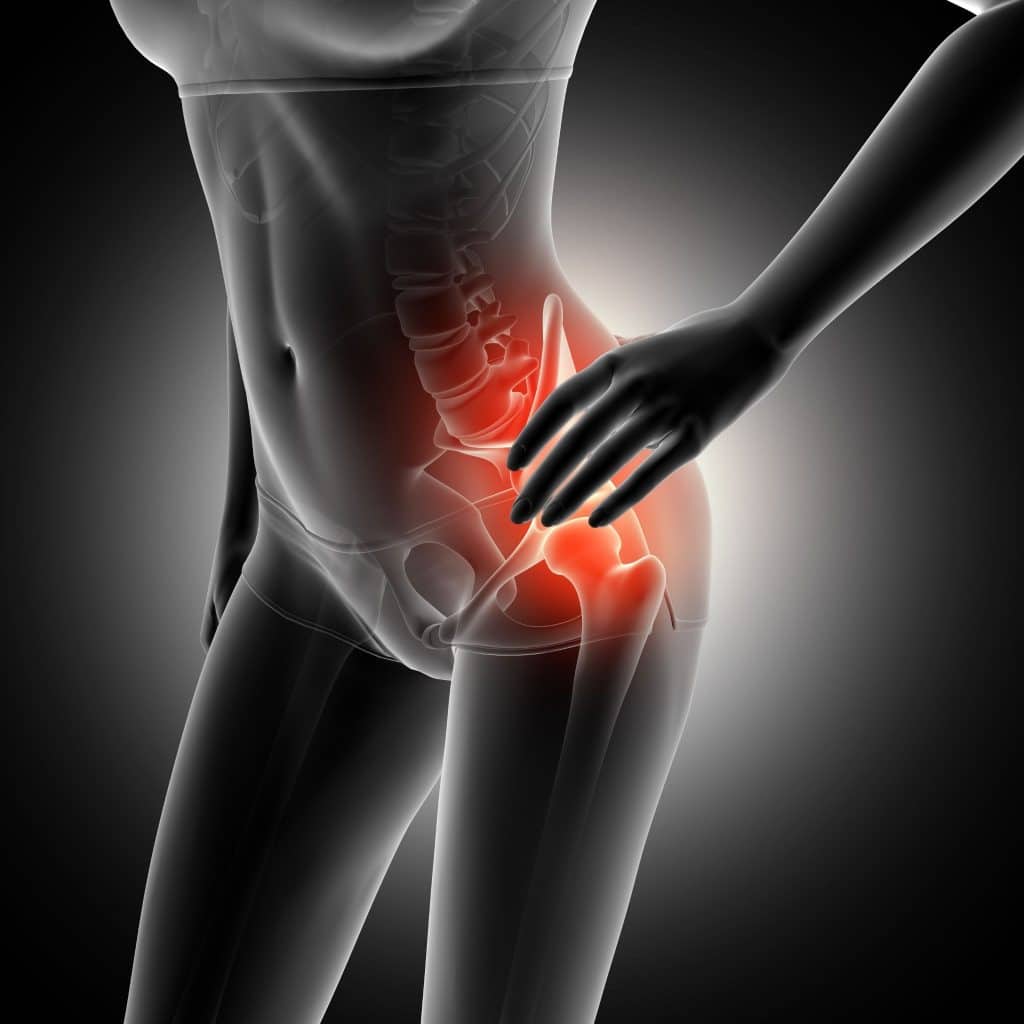
A hip flexor strain is a tear in the muscle fibres where your thigh meets your hip. The hip flexors are a group of muscles responsible for lifting your knee towards your chest and bending at the waist, movements essential for walking, running, and most daily activities.
The primary hip flexor muscles include:
Iliopsoas: Comprising the psoas major and iliacus muscles, this deep muscle group connects your spine to your femur (thighbone) and is the primary hip flexor.
Rectus femoris: Part of your quadriceps muscle group, this muscle crosses both the hip and knee joints and contributes to hip flexion.
Sartorius: The longest muscle in your body, running from your hip to the inner knee, assisting with both hip and knee movement.
Like all muscles, hip flexors are made of thousands of small fibres woven together that stretch and contract to allow movement. When you overuse these muscles or suddenly stretch them beyond their limit, the fibres tear apart.
Hip flexor strain grades
Hip flexor strains are classified into three grades based on severity:
- Grade 1 (mild): Only a few muscle fibres are damaged, causing minimal pain and weakness. Recovery typically takes 2-3 weeks with minimal impact on function or mobility.
- Grade 2 (moderate): A partial tear of the muscle fibres causes moderate pain and weakness with noticeable functional limitations. Recovery generally takes 4-6 weeks with rehabilitation required.
- Grade 3 (severe): A complete tear of the muscle fibres causes severe pain and significant weakness with substantial limitations in mobility, often requiring surgical intervention. Recovery can take 8 or more weeks with an extended rehabilitation process.
Common causes and risk factors of hip flexor strains
Understanding what causes hip flexor strains can help you prevent them in the future. These injuries typically occur when the muscle is stretched or contracted suddenly during physical activity.
Acute injury causes
Hip flexor strains are particularly common in athletes who jump or run whilst performing high knee kicks. Sports with the highest risk include:
- Soccer and football (sudden direction changes and kicking)
- Martial arts (high kicks and rapid movements)
- Running and sprinting (explosive acceleration)
- Dance (balletic movements and splits)
- Hockey (skating movements and quick pivots)
Traumas like falls and car accidents can also cause hip flexor strains, especially if you suddenly tense your muscles to brace for an impact.
Overuse and lifestyle factors
Not all hip flexor strains happen suddenly. Overuse injuries develop gradually through repetitive movements without adequate rest. Lifestyle factors including prolonged sitting and poor posture can also contribute to hip flexor problems by:
- Keeping the hip flexors in a shortened position for extended periods
- Creating muscle imbalances between tight hip flexors and weak glutes
- Reducing flexibility and making the muscles more prone to injury
Risk factors
Certain people are more susceptible to hip flexor strains:
- Athletes in high-risk sports
- People who sit for prolonged periods
- Individuals with previous hip or groin injuries
- Those with weak core or hip muscles
- People who don’t warm up properly before exercise
- Older adults with reduced muscle flexibility
Common causes and risk factors of hip flexor strains
Understanding what causes hip flexor strains can help you prevent them in the future. These injuries typically occur when the muscle is stretched or contracted suddenly during physical activity.
Acute injury causes
Hip flexor strains are particularly common in athletes who jump or run whilst performing high knee kicks. Sports with the highest risk include:
- Soccer and football (sudden direction changes and kicking)
- Martial arts (high kicks and rapid movements)
- Running and sprinting (explosive acceleration)
- Dance (balletic movements and splits)
- Hockey (skating movements and quick pivots)
Traumas like falls and car accidents can also cause hip flexor strains, especially if you suddenly tense your muscles to brace for an impact.
Overuse and lifestyle factors
Not all hip flexor strains happen suddenly. Overuse injuries develop gradually through repetitive movements without adequate rest. Lifestyle factors including prolonged sitting and poor posture can also contribute to hip flexor problems by:
- Keeping the hip flexors in a shortened position for extended periods
- Creating muscle imbalances between tight hip flexors and weak glutes
- Reducing flexibility and making the muscles more prone to injury
Risk factors
Certain people are more susceptible to hip flexor strains:
- Athletes in high-risk sports
- People who sit for prolonged periods
- Individuals with previous hip or groin injuries
- Those with weak core or hip muscles
- People who don’t warm up properly before exercise
- Older adults with reduced muscle flexibility
Symptoms of Hip Flexor Strain
Recognising the symptoms of a hip flexor strain is crucial for early treatment and optimal recovery. The severity of symptoms varies depending on the grade of the injury.
Primary symptoms
The hallmark symptom is sharp pain in the front of the hip, often felt during movement such as when climbing stairs. Other telltale signs include:
Pain when lifting your knee: You’ll notice increased discomfort when bringing your knee towards your chest, such as when climbing stairs or getting into a car.
Pain during hip flexion: Bending at the waist to tie your shoes or pick something up can aggravate the injury.
Increased pain with stretching: Attempting to stretch the affected muscle, such as in a lunge position, often worsens the pain.
Additional symptoms
Other symptoms may include morning stiffness, swelling around the affected area, bruising in severe cases, muscle spasms, reduced range of motion, and weakness in the affected leg.
For severe grade 3 strains, you may experience:
- Inability to walk without limping
- Visible bruising or swelling in the hip or thigh
- A “popping” sensation at the time of injury
- Severe pain even at rest
When to seek medical attention
You should consult a healthcare professional if you experience:
- Severe pain that limits your ability to walk or bear weight
- Significant weakness in the hip or leg
- Pain lasting more than a few days without improvement
- Signs of infection such as fever or redness
- Worsening symptoms despite rest and home treatment
Exercises for Hip Flexor Strain Rehab
A structured rehabilitation programme is essential for recovering from a hip flexor strain and preventing re-injury. Your rehab should progress through different phases as your injury heals.
Early phase exercises (Days 1-14)
During the early phase, protect the injured tissue and focus on gentle mobility exercises. Strengthening surrounding muscles helps maintain fitness without stressing the healing area.
Gentle hip flexor stretches
Lie on your back with knees bent and feet flat. Tighten your belly muscles and press your lower back to the floor. Slowly lift and lower one foot at a time in a marching motion. Do 8 to 12 repetitions with each foot.
Kneeling hip flexor stretch
Kneel with one leg forward, foot flat on the floor. Tighten your stomach, flatten your lower back, and lean your hips forward slightly until you feel a stretch at the front of your hip. Keep upright and hold for 15 to 30 seconds. Repeat 3 times on each side.
Glute strengthening
Strengthening the glutes maintains physical capacity whilst protecting the injured tissue. Glute bridges work well: Lie on your back with knees bent and feet flat. Squeeze your glutes and lift your hips towards the ceiling, hold for 3 seconds, then lower. Perform 2-3 sets of 10-12 repetitions.
Intermediate phase exercises (Weeks 2-6)
Once acute pain subsides, gradually introduce strengthening exercises that directly load the hip flexors.
Heel slides
Sit with legs straight. Slowly slide the heel of your injured leg towards your buttock by pulling your knee to your chest. Return to starting position. Do 3 sets of 10.
Straight leg raises
Lie on your back with legs straight. Tighten the front of your thigh and raise your injured leg about 15-20 centimetres off the ground, keeping the knee straight. Hold for 3-5 seconds, then slowly lower. Do 3 sets of 10.
Standing hip flexion with resistance
Stand facing away from a door. Loop elastic tubing around one ankle and secure the other end in the door near the bottom. Tighten your thigh muscle and bring your leg forward, keeping it straight. Perform 2-3 sets of 10-12 repetitions.
Advanced phase exercises (Weeks 6+)
As you regain strength, progress to more challenging functional exercises.
Standing hip flexor stretch
Stand in a wide lunge position with both hands on a firm support. Lunge forward and bend the front knee. Push your hips forward whilst keeping your back straight. Hold for 20 to 30 seconds and repeat 5 times.
Lunges
Once you can perform basic stretches without pain, add forward and reverse lunges to build strength and stability through a full range of motion.
Sport-specific movements
Progress to exercises that mimic your specific sport or activity. Your physiotherapist can guide you through return-to-sport protocols tailored to your goals.
Exercise guidelines
- Start each exercise slowly and ease off if you experience pain
- Warm up with heat and a gentle walk before stretching
- Avoid aggressive stretching for the first few days after acute injury
- Progress gradually through the phases
- Perform exercises daily as prescribed
- Listen to your body and rest if pain increases
At ME Physio, our experienced physiotherapists specialise in treating hip flexor strains and other sports injuries.