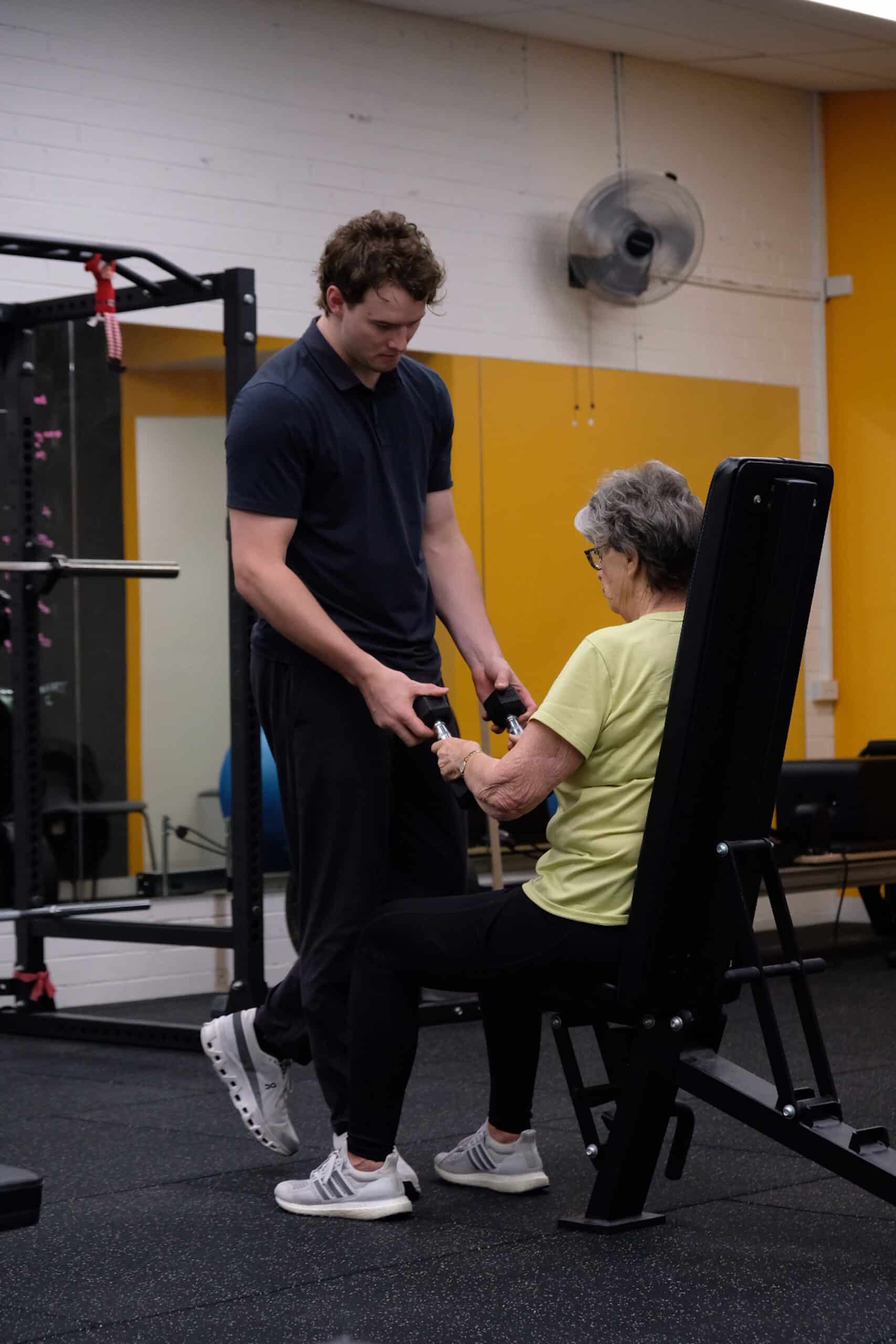
Strength and Cardio
Strength training involves exercises that build muscle mass and increase physical power through resistance. This includes weightlifting, bodyweight exercises, resistance bands, and functional movements that challenge your muscles to work against force.
Cardiovascular exercise, commonly known as cardio, is any activity that elevates your heart rate and improves the efficiency of your cardiovascular system. Running, cycling, swimming, and brisk walking are classic examples that get your blood pumping and lungs working harder.
While these two training methods seem different, they complement each other perfectly when integrated into a well-rounded fitness program.
Key Benefits of Strength
- Increased Muscle Mass: Builds lean muscle tissue that boosts metabolism and improves body composition
- Stronger Bones: Enhances bone density, reducing the risk of osteoporosis and fractures
- Improved Metabolism: Muscle burns more calories at rest, supporting weight management
- Better Functional Fitness: Makes daily activities easier, from carrying groceries to climbing stairs
- Injury Prevention: Strengthens joints, ligaments, and tendons, protecting against common injuries
- Enhanced Body Composition: Creates a toned, defined physique by reducing body fat percentage
Key Benefits of Cardio
- Heart Health: Strengthens your heart muscle and improves circulation throughout your body
- Increased Endurance: Builds stamina for daily activities and athletic performance
- Calorie Burning: Burns significant calories during exercise, supporting weight loss goals
- Stress Reduction: Releases endorphins that improve mood and reduce anxiety
- Better Lung Function: Increases lung capacity and oxygen efficiency
- Disease Prevention: Reduces risk of heart disease, diabetes, and high blood pressure
Combining Strength and Cardio
Integrating both strength and cardio creates a comprehensive fitness approach that maximizes results across multiple health goals.
Weight Loss and Fat Reduction: Combining strength and cardio is the most effective strategy for sustainable weight loss. Cardio burns calories during your workout, while strength training builds muscle that increases your resting metabolic rate. This dual approach creates a calorie deficit while preserving lean muscle mass, ensuring you lose fat rather than muscle. Aim for 3-4 days of strength training and 2-3 days of cardio each week for optimal fat loss results.
Building Muscle While Improving Cardiovascular Health: You don’t have to sacrifice muscle gains for heart health. Strategic programming allows you to build strength while maintaining excellent cardiovascular fitness. Perform strength training on separate days from intense cardio sessions, or combine them with strength first followed by shorter cardio sessions. This approach prevents excessive muscle breakdown while still providing cardiovascular benefits.Training for Sports Performance or General Fitness: Whether you’re training for a specific sport or general health, balancing strength and cardio is essential. Athletes benefit from sport-specific strength training combined with conditioning work that mimics game demands. For general fitness enthusiasts, mixing both training types prevents plateaus, reduces boredom, and develops well-rounded physical capabilities. Consider circuit training or high-intensity interval training (HIIT) to efficiently combine both elements in time-efficient workouts.
Strength and Cardio Training Program at Me Physio
To request a Strength and Cardio appointment with ME Physio call us on (03) 9571 6888 or click the book now button.
At ME Physio we offer a range of services to improve your overall strength and cardiovascular fitness. In our onsite gym, we have individual sessions or group based classes specifically designed to challenge and push you safely. These programs are specifically designed and tailored by our physiotherapists to ensure you can exercise safely and effectively.
Whether you exercise regularly or haven’t exercised for a while, our Strength and Cardio programs have been developed to incorporate a full body combination of resistance and cardiovascular exercises in a circuit style high intensity interval training program. Our physiotherapists are able to adapt and tailor each exercise specifically for you.
Don’t stop challenging ME.
Frequently Asked Questions
How can we improve balance and prevent falls?
Balance exercises are specifically designed to challenge your internal systems by applying changes and perturbations making your body practice it’s righting response and reflexes.
These perturbations can be created by external or internal changes. This includes challenging your vision such as closing your eyes, or by changing your centre of gravity such as balance in with your feet together.
Your physiotherapists is well placed to ensure you challenge your balance in a safe environment based on a falls and balance assessment.
Why is balance important for falls prevention?
Improving your balance has been proven to reduce the likelihood of falling. In addition, balance and strength training has also been shown to reduce the severity of injuries associated with falling when falls are sustained.
What is the management of falls?
Your physiotherapist will well equipped to assess your balance and likelihood of falling. They will perform a series of assessments to test our balance reflex and strength.
It is very important to note, that decreased balance is not a normal part of the ageing process. It is not normal to have an increase in falls as we get older. In fact, a lot of these changes where they occur are reversable with strength and balance training.
In addition, where required, your physiotherapist is able to prescribe and recommend the best gait aid such as a walking stick or frame. This is important as the aim of the gait aid is to assist with independence and balance without exacerbating or decreasing strength.
Does balance training prevent falls?
Balance training reduces the likelihood of falls and has been shown to reduce the likelihood of injuries associated with falling.
In addition to balance training, it is important to reduce their likelihood of falling by also considering appropriate and well fitting foot wear. Given the majority of falls occur within the home environment, it is also worthwhile to ensure that hallways are kept well clear and any falls risks such as cords or rugs are secured.