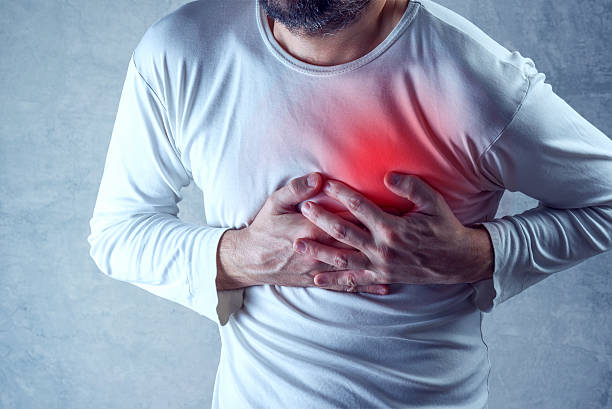
How to Relieve Pain from Chest Muscle Strain
What we’ll cover
What is Chest Muscle Strain?
Chest muscle strain occurs when pectoral muscles or intercostal muscles become overstretched or torn. The pectoralis major and minor muscles at the front of your chest work during pushing, lifting, and reaching movements. Intercostal muscles between your ribs help with breathing and upper body stability. When these muscles experience excessive force or overuse, the fibres can tear, causing pain and reduced function.
Muscle strain in the chest ranges from mild fibre stretching to complete tears. Intercostal muscle strain accounts for up to half of chest pain cases, making it a common injury that responds well to treatment.
Symptoms of Chest Muscle Strain
Chest muscle strain symptoms typically develop during or immediately after the causative activity. The hallmark symptom is localised pain that may be sharp during acute injury or dull with chronic strain. This pain worsens with movement, deep breathing, coughing, or sneezing, with many experiencing a tearing sensation at the injury.
Additional symptoms include tenderness when touching the affected area, visible swelling or bruising, muscle spasms, weakness when pushing or lifting, and reduced range of motion. Severe cases may show visible deformity where the muscle has torn completely. Pain typically increases with pushing movements, reaching across your body, deep breathing, laughing, or coughing. Morning stiffness is common.
Muscle Strain Chest Pain Versus Warning Signs
Distinguishing muscular chest pain from serious cardiac, lung, or rib problems is crucial. Muscle strain chest pain stays localised to one area, worsens with movement or pressure, and improves with rest. You can pinpoint the tender spot by touch, and pain correlates with activities stressing the affected muscle.
Heart-related chest pain presents differently, often feeling like pressure, tightness, or squeezing rather than sharp localised pain. Warning signs requiring immediate medical attention include chest pain with shortness of breath, nausea, sweating, dizziness, racing heart, or pain radiating to your arm, jaw, or neck. If uncertain whether chest pain is muscular or cardiac, always seek immediate medical evaluation.
Causes of Chest Muscle Strain
Chest muscle strains result from several mechanisms. Heavy lifting during weight training exercises like bench presses can overload chest muscles when using improper form or lifting beyond capacity. Sudden forceful movements during sports like tennis, cricket, golf, or gymnastics involve repetitive overhead motions that gradually strain muscles. Direct trauma from contact sports, falls, or accidents can cause immediate tears, whilst poor posture during desk work places chronic stress on chest muscles. Inadequate warm-up leaves muscles unprepared for sudden demands, and severe or prolonged coughing from respiratory infections can strain intercostal muscles.
Diagnosis of Chest Muscle Strain
Healthcare providers diagnose muscle strain on the chest through a comprehensive assessment. Your physiotherapist or doctor will ask about injury mechanism, symptom onset, and activities that worsen pain. Physical examination includes palpating the chest to identify tender areas, testing strength during pushing movements, and assessing the range of motion when moving your arms.
Specific tests help differentiate chest muscle strain from other conditions. Resisted arm movements reproduce pain if muscles are strained. Stretching the pectorals by taking your arm across your chest or behind your back typically increases discomfort. Breathing assessments determine if intercostal muscles are involved.
When to Seek Urgent Medical Help
Seek immediate emergency care if you experience chest pain during strenuous activity accompanied by shortness of breath, dizziness, nausea, sweating, or palpitations. These symptoms may indicate cardiac issues rather than muscle strain. Call emergency services if pain spreads to your jaw, neck, or arms, or if you feel crushing pressure rather than localised pain.
Consult your doctor promptly if pain persists beyond two weeks despite rest, worsens progressively, or significantly limits daily activities. Fever accompanying chest pain may indicate infection requiring medical assessment.
Professional Treatment for Chest Muscle Strain
Healthcare professionals use systematic approaches to assess and treat muscle strain on the chest while ruling out other causes. Your physiotherapist conducts a thorough evaluation, including medical history, injury mechanism, and physical examination. They may order imaging studies like X-rays to exclude rib fractures, or ultrasound and MRI for severe muscle tears.
Treatment for chest muscle strain includes several evidence-based approaches:
- Manual therapy: Soft tissue massage releases tension and improves circulation, gentle joint mobilisation restores normal rib and thoracic spine movement, and trigger point therapy targets tender areas causing pain
- Breathing instruction: Shallow breathing often develops as a protective response. Your physiotherapist teaches diaphragmatic breathing and pain management strategies during coughing or sneezing to maintain normal breathing patterns
- Taping techniques: Therapeutic taping may provide support during healing, reducing pain and providing sensory feedback that improves movement patterns
- Graded exercise programs: Progress through distinct phases starting with a gentle range of motion exercises, advancing to isometric strengthening without movement, then progressive resistance training, and finally sport-specific exercises for return to full activity
Imaging or specialist referral becomes necessary when symptoms don’t improve with conservative treatment or severe tears are suspected. Complete pectoralis major ruptures occasionally need surgical intervention, particularly in athletes. Your physiotherapist or doctor guides decisions about advanced imaging or specialist consultation based on your progress.
Chest Muscle Strain Recovery
Chest muscle strain recovery follows predictable stages. The acute phase (first 48-72 hours) focuses on protecting the injury through relative rest whilst managing pain with ice application. The early healing phase (days 3-14) introduces gentle stretching and light activities as pain decreases. The strengthening phase (weeks 2-6) progressively loads the healing muscle, restoring strength and function. The final phase involves a return to full activity, including sport-specific training.
Recovery timelines vary by severity. Mild strains typically resolve within 2-3 weeks. Moderate strains require 4-6 weeks. Severe strains or complete tears may take several months, particularly if surgical repair is necessary. Most people achieve full recovery with appropriate physiotherapy management.