What we’ll cover
- What Is a Hamstring Muscle Strain?
- Common Triggers
- Symptoms and Diagnosis of Hamstring Muscle Injury
- Symptoms
- Diagnosis
- Preventing Further Hamstring Muscle Strain
- Warm-Up Essentials and Safe Exercise Technique
- Importance of Quad and Hamstring Balance
- Recovery Timeline and Returning to Activity
- Exercises for Hamstring Muscle Strain Rehab
- Progressive Hamstring Muscle Strain Exercises
- Stretching and Strengthening Routines for Recovery
- Effective Treatment for Hamstring Muscle Strain
- Principles of Hamstring Muscle Strain Treatment
- How Can ME Physio Help?
What Is a Hamstring Muscle Strain?
A hamstring muscle strain occurs when one or more of the three muscles at the back of your thigh become overstretched or torn. This common injury, often called a pulled hamstring, happens when the muscle fibres cannot handle the force placed upon them during movement. The hamstrings (consisting of the biceps femoris, semitendinosus, and semimembranosus) work together to bend your knee and straighten your hip.
Understanding what a hamstring strain is helps you recognise the injury early and seek appropriate care. These muscle tears typically occur at the musculotendinous junction, where the muscle meets the tendon, making this area particularly vulnerable during high-force activities.
Hamstring strain injuries are classified into three grades based on severity:
- Grade 1 strains: involve minor muscle fibre tears with mild pain and minimal loss of function, typically healing within 1-3 weeks.
- Grade 2 strains: are partial tears causing noticeable pain, swelling, and reduced strength, requiring 3-8 weeks for recovery.
- Grade 3 strains: represent complete muscle ruptures, often accompanied by severe pain and inability to use the muscle effectively, taking 3-6 months or longer to heal.

Common Triggers
Key risk factors for hamstring strains include:
- Muscle fatigue: When hamstrings tire during prolonged activity, they lose their ability to absorb force effectively.
- Poor flexibility and inadequate warm-up: Muscles unprepared for sudden demands are more vulnerable to injury.
- Previous hamstring injuries: Approximately one-third of strains recur within the first year after return to activity.
- Strength imbalances: When quadriceps muscles significantly overpower the hamstrings, this places excessive stress on the posterior thigh muscles during deceleration movements.
Symptoms and Diagnosis of Hamstring Muscle Injury
Symptoms
Hamstring muscle injury symptoms vary depending on severity. Most people experience sudden, sharp pain at the back of the thigh during the injury moment. This pain often radiates down the leg or into the buttock region. You might feel a distinctive “pop” or tearing sensation with more severe strains.
Common symptoms:
- Localised tenderness when touching the affected area, particularly where the muscle meets the buttock or behind the knee
- Swelling and bruising that typically develop within hours, becoming more visible with Grade 2 and Grade 3 injuries
- A visible lump or gap in the muscle tissue following complete tears
- Difficulty walking or limping with severe strains
- Pain when bending your knee against resistance or straightening your hip
- Discomfort when sitting, especially on hard surfaces where the hamstrings attach to the sitting bones
Diagnosis
Healthcare providers typically diagnose hamstring strains through physical examination. Your physiotherapist will assess your injury history and test muscle strength, range of motion, and pain response during specific movements.
Diagnostic methods include:
- Physical examination: Palpation reveals areas of tenderness, muscle defects, or abnormal tension
- Strength testing: Resisted knee flexion and hip extension tests identify which muscle is affected
- Pain assessment: Rating pain levels on a 0-10 scale during testing
- Imaging (when needed): Ultrasound or MRI scans confirm injury extent and estimate recovery timeframes, though they don’t reliably predict reinjury risk
Preventing Further Hamstring Muscle Strain
Warm-Up Essentials and Safe Exercise Technique
Proper preparation significantly reduces hamstring strain risk. Key strategies include:
- Start with light aerobic activity: 5-10 minutes of walking or gentle jogging increases muscle temperature and blood flow
- Use dynamic stretching: Leg swings, walking lunges, and gradual acceleration drills activate the neuromuscular system better than static stretching alone
- Save static stretches for after exercise when muscles are fully warmed
- Maintain proper running form: Control leg movement rather than overstriding
- Progress gradually: Avoid sudden increases in training intensity, duration, or volume
- Lift safely: Avoid jerking motions and increase load progressively
Importance of Quad and Hamstring Balance
The relationship between hamstring and quadriceps strength plays a crucial role in injury prevention. Understanding this balance helps protect against strains:
- Ideal strength ratio: Hamstrings should possess 60-80% of quadriceps strength, with 75% optimal for athletic activities
- Risk of imbalance: When quadriceps significantly overpower hamstrings, injury risk increases nearly five times
- Fatigue factor: Weaker hamstrings tire faster during activity and struggle to decelerate leg movement during running
- Solution: Target hamstrings with eccentric training, where muscles lengthen under tension
- Proven prevention: Nordic hamstring curls demonstrate significant injury prevention benefits in athletic populations
Recovery Timeline and Returning to Activity
Recovery timelines vary considerably based on injury severity:
- Grade 1: Typically heal within 1-3 weeks, allowing most people to resume normal activities relatively quickly. These minor strains respond well to conservative management and rarely require extended rest.
- Grade 2: Demand more patience, usually requiring 3-8 weeks for adequate healing. The partial muscle tears need sufficient time to repair without excessive stress. Rushing return to activity during this phase substantially increases reinjury risk.
- Grade 3: Present the longest recovery challenge, often taking 3-6 months or longer. Complete muscle ruptures sometimes require surgical repair, particularly when the tendon detaches from bone.
Exercises for Hamstring Muscle Strain Rehab
Progressive Hamstring Muscle Strain Exercises
Effective hamstring muscle strain exercises follow a structured progression:
- Isometric holds: Lying on your stomach, press your heel into a fixed surface and hold for 5-10 seconds without joint movement. Perform multiple pain-free sets
- Hamstring curls: Use a resistance band around your ankle, bend your knee, and bring your heel toward your buttocks. Progress to standing or machine-based variations
- Nordic hamstring curl: The gold standard for eccentric training. Kneel with ankles secured, and slowly lower your torso toward the ground. Beginners may need assistance or resistance bands
- Bridging exercises: Lie on your back with knees bent, lift your hips whilst pressing through heels. Add single-leg variations or a Swiss ball for progression
Stretching and Strengthening Routines for Recovery
Flexibility work complements strength training throughout rehabilitation:
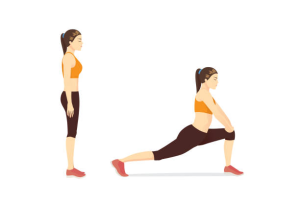
- Standing hamstring stretch: Place heel on a low step, keep leg straight and lean forward at the hips. Hold 20-30 seconds, repeat 3-4 times
- Supine hamstring stretch: Lie near a doorway, extend the injured leg up the wall whilst keeping the other leg flat. Slide your body closer to increase intensity
- Romanian deadlifts: Hinge at the hips with neutral spine, lowering weights down the thighs. Builds functional hamstring strength for daily activities
- Balance exercises: Single-leg stance challenges proprioception. Progress by closing eyes or using unstable surfaces
Effective Treatment for Hamstring Muscle Strain
Principles of Hamstring Muscle Strain Treatment
Treatment for hamstring muscle strain follows evidence-based protocols:
- RICER protocol (first 48-72 hours): Rest, Ice (15-20 minutes every 2-3 hours), Compression bandaging, Elevation, and Referral to healthcare professionals
- Manage inflammation carefully: Many Australian physiotherapists recommend postponing anti-inflammatory medications for 2-3 days, as early inflammation aids tissue repair
- Pain-guided progression: Sharp pain or significant next-day soreness indicates excessive loading. Some discomfort is acceptable, but latent pain signals the need to reduce intensity
- Hamstring strain strapping: Provides comfort and sensory feedback but cannot substitute for addressing strength deficits
- Comprehensive approach: Progressive agility and trunk stabilisation programs show superior outcomes compared to isolated hamstring strengthening, significantly reducing reinjury rates
How Can ME Physio Help?
ME Physio provides comprehensive support for your hamstring strain rehabilitation. Our physiotherapists conduct thorough assessments to determine injury severity and identify contributing factors such as strength imbalances, flexibility limitations, or movement pattern dysfunction. This detailed evaluation informs your personalised treatment plan.