Jaw Pain: Causes, Relief, and When to Seek Help
What we’ll cover
- Key Insights
- What Are the Different Types of Jaw Pain by Location?
- What Causes Left-Side Jaw Pain?
- What About Right-Side Jaw Pain?
- What Does Pain in Specific Jaw Areas Mean?
- What Triggers Jaw Pain?
- Why Does My Jaw Hurt When I Open My Mouth?
- Can Jaw Pain Be Connected to Ear or Neck Pain?
- Does a Cold or Sinus Infection Cause Jaw Pain?
- Why Do Some Women Get Jaw Pain During Pregnancy?
- When Is Jaw Pain a Sign of Something Serious?
- Could Jaw Pain Be a Heart Attack?
- When Should Jaw Pain Raise Concerns About Cancer?
- What Are the Most Common Causes of Jaw Pain?
- What Does It Mean When Jaw Pain Comes and Goes?
- How Can You Relieve Jaw Pain?
- What Are the Best Quick Fixes for Jaw Pain?
- How Does Jaw Massage Help?
- What Are the Long-Term Solutions for Jaw Pain?
- How Do You Get Rid of Jaw Pain on One Side?
- How Can You Prevent Jaw Pain from Coming Back?
- Frequently Asked Questions About Jaw Pain
- Is jaw pain always TMJ?
- Can jaw pain be a sign of something serious?
- How long does jaw pain typically last?
- Can a physiotherapist help with jaw pain?
- Should I see a dentist or a physiotherapist for jaw pain?
- What exercises can I do at home for jaw pain?
- Take the Next Step
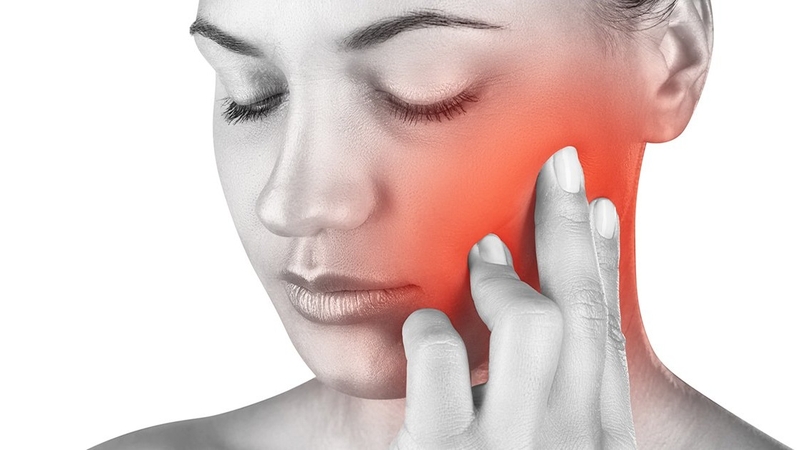
Jaw pain is discomfort or soreness felt in or around the jaw joint, the muscles of the face, or the areas just below the ear. It is one of the most common musculoskeletal complaints, with research suggesting that up to 12% of the general population experiences jaw pain at any given time. For many people, the pain is mild and passes quickly. For others, it becomes a daily barrier to eating, speaking, sleeping, and enjoying life.
At ME Physio, we approach jaw pain by assessing the full chain of contributing factors, from neck posture and shoulder tension to jaw joint mechanics, rather than treating the jaw in isolation. This whole-body perspective means we often find and address triggers that a jaw-only assessment would miss.
Most jaw pain responds well to a combination of home care, targeted exercises, and professional treatment. But some types of jaw pain need urgent medical attention. This guide walks you through the causes, the warning signs, and the steps you can take to find lasting relief.
Key Insights
- The temporomandibular joint (TMJ) is the most common source of jaw pain, but dental problems, sinus issues, and referred pain from the neck can all contribute.
- Jaw pain on one side is usually related to a localised joint or muscle issue. Pain on both sides often points to stress, bruxism, or a systemic condition like arthritis.
- Jaw pain combined with chest pain, shortness of breath, or arm pain is a medical emergency. Call 000 immediately.
- Most jaw pain improves with simple strategies: rest, gentle stretching, posture correction, and stress management.
- Physiotherapy can help identify the root cause of persistent jaw pain and build a tailored plan for long-term relief.
What Are the Different Types of Jaw Pain by Location?
Where you feel jaw pain often gives important clues about what is causing it. Pain can occur on one side, both sides, or in specific areas around the jaw joint and teeth.
What Causes Left-Side Jaw Pain?
Left-side jaw pain is common and usually relates to a localised issue with the temporomandibular joint or the muscles on that side. Possible causes include TMJ dysfunction, muscle tension from favouring one side when chewing, or a dental problem affecting a tooth on the left. Bottom left jaw pain specifically can suggest a dental abscess, impacted wisdom tooth, or inflammation of the lower jaw bone.
It is worth noting that left-side jaw pain can occasionally be associated with cardiac events, which we cover in the serious health concerns section below.
What About Right-Side Jaw Pain?
Right-side jaw pain shares many of the same causes as left-side pain. TMJ dysfunction can affect either side, and it is common for the joint on one side to become more irritated than the other, particularly if you tend to chew on one side or sleep on one side consistently. Stress-related clenching often affects one side more than the other as well.
What Does Pain in Specific Jaw Areas Mean?
- Jaw pain on one side is most often a localised joint or muscle issue. It tends to worsen with chewing, yawning, or opening the mouth wide.
- Bottom jaw pain can point to dental causes, a bone-related issue, or tension in the muscles that run along the underside of the jaw.
- Jaw pain under the teeth is more likely dental in origin. Cavities, gum disease, or a cracked tooth can all produce pain that feels like it is coming from the jaw rather than the tooth itself.
- Sore jaw joint typically points directly to the TMJ. You may hear clicking or popping sounds, and the area just in front of the ear may feel tender to touch.
- Jaw pain on both sides usually suggests a broader cause, such as chronic stress, teeth grinding (bruxism), or arthritis affecting the jaw.
What Triggers Jaw Pain?
Why Does My Jaw Hurt When I Open My Mouth?
Pain when opening or closing the mouth is one of the hallmark signs of TMJ disorder. The temporomandibular joint acts like a sliding hinge, and when the disc inside the joint shifts out of position or the surrounding muscles become tight, opening the mouth can become painful or limited. Jaw pain on one side when opening the mouth often means one joint is more affected than the other. Pain when opening wide, such as during a yawn or a dental appointment, typically indicates the joint is being pushed past its comfortable range.
Causes include TMJ dysfunction, muscle tension in the jaw or neck, a past injury to the face or jaw, or prolonged dental work that required holding the mouth open.
Can Jaw Pain Be Connected to Ear or Neck Pain?
Yes, and this is more common than most people realise. The ear, jaw, and neck share nerve pathways and muscle groups, so a problem in one area frequently shows up as pain in another. This is called referred pain.
Ear and jaw pain on one side is a classic combination. The TMJ sits directly in front of the ear canal, so inflammation in the joint can feel like an earache. Similarly, neck and jaw pain occurring together often traces back to poor posture, particularly forward head posture from desk work, which places extra load on both the neck muscles and the jaw joint.
Does a Cold or Sinus Infection Cause Jaw Pain?
Sinus-related jaw pain is surprisingly common. The maxillary sinuses sit directly above the upper teeth and jaw, so when they become inflamed or congested during a cold or sinusitis, pressure can radiate into the upper jaw and cheekbones. This type of jaw pain usually resolves on its own as the illness clears and rarely requires jaw-specific treatment.
Why Do Some Women Get Jaw Pain During Pregnancy?
Hormonal changes during pregnancy, particularly increased levels of relaxin, loosen ligaments throughout the body, including those supporting the jaw joint. This can make the TMJ less stable and more prone to discomfort. Pregnancy-related stress, changes in posture as the body adapts to a growing baby, and disrupted sleep can all add to jaw tension. This type of jaw pain is usually harmless and tends to improve after delivery. Managing stress and maintaining good posture can help in the meantime.
When Is Jaw Pain a Sign of Something Serious?
Most jaw pain is not dangerous, but there are a few situations where it signals something that needs immediate attention.
Could Jaw Pain Be a Heart Attack?
Jaw pain, particularly on the left side, can be a symptom of a heart attack. This happens because the nerves supplying the heart and the jaw share common pathways, so cardiac distress can be felt as jaw pain rather than, or in addition to, chest pain.
Call 000 immediately if jaw pain occurs alongside any of the following:
- Chest pain, tightness, or pressure
- Shortness of breath
- Pain radiating to the arm, shoulder, or back
- Nausea, sweating, or light-headedness
Right-side jaw pain during a heart attack is less common but can occur. Neck and jaw pain together can also be a cardiac warning sign, especially in women, who are more likely to experience atypical heart attack symptoms.
If there is any doubt, always call for help. It is better to be checked and reassured than to delay.
When Should Jaw Pain Raise Concerns About Cancer?
Persistent, unexplained jaw pain lasting more than two to three weeks, particularly when there is no clear dental or muscular cause, should be reviewed by a doctor. In rare cases, jaw pain can be an early sign of oral cancer, salivary gland tumours, or cancers of the throat or ear.
Other red flags to watch for include a lump or swelling in the jaw or neck, unexplained numbness in the face, difficulty swallowing, unexplained weight loss, or changes in how the teeth fit together. If any of these accompany jaw pain, seek a professional assessment promptly.
What Are the Most Common Causes of Jaw Pain?
| Cause | What It Feels Like | Who It Affects Most |
| TMJ disorder | Aching near the ear, clicking or popping, pain with chewing | Adults 20 to 40, more common in women |
| Bruxism (teeth grinding) | Dull morning jaw ache, worn teeth, headaches | Stressed adults, shift workers, children |
| Muscle tension and stress | Tightness in jaw and temples, worsens during stressful periods | Anyone under sustained stress |
| Poor posture | Jaw and neck pain together, worsens with desk work | Office workers, students |
| Dental problems | Sharp or throbbing pain near a specific tooth | Anyone with untreated dental issues |
| Sinusitis | Upper jaw pressure, worse when bending forward | People with colds or allergies |
| Arthritis | Stiffness, aching on both sides, worse in the morning | Older adults, those with inflammatory conditions |
| Ear or throat infection | Pain near the ear or under the jaw, may include fever | Children and adults |
| Trigeminal neuralgia | Sudden, severe, electric-shock-like pain in the face | Adults over 50, more common in women |
TMJ disorder is the single most common cause. The temporomandibular joint connects the lower jaw to the skull, and it can become misaligned or inflamed due to stress, bruxism, poor posture, or a past injury.
Bruxism (teeth grinding or clenching) often happens during sleep and can go unnoticed until the jaw, teeth, or both start showing signs of wear and strain.
Poor posture, especially forward head posture from prolonged screen use, increases load on the neck and jaw. Over time this can lead to chronic pain in both areas.
What Does It Mean When Jaw Pain Comes and Goes?
Intermittent jaw pain, pain that appears for a few days, disappears, and then returns, is common and usually relates to fluctuating triggers like stress, sleep quality, or dietary habits. Tracking when pain flares in a simple diary can reveal patterns. You may notice it worsens during busy weeks, after eating hard foods, or when sleeping on one side.
Episodic jaw pain is typically less concerning than constant pain, but it should still be assessed if it recurs regularly, progressively worsens, or begins affecting your daily activities. Pain patterns that change suddenly, for example going from occasional to constant, or from one side to both, may indicate a new or worsening condition and are worth investigating promptly.
How Can You Relieve Jaw Pain?
What Are the Best Quick Fixes for Jaw Pain?
For immediate relief, start with these simple steps:
- Rest your jaw. Avoid hard, chewy, or crunchy foods. Stick to soft options and avoid opening the mouth wider than necessary.
- Apply ice first, then heat. Use an ice pack wrapped in a cloth for the first 24 to 48 hours to reduce inflammation. After that, switch to a warm compress to relax tight muscles.
- Gentle jaw stretches. Slowly open your mouth as wide as comfortable and hold for five seconds. Then move the jaw gently side to side. Repeat several times throughout the day.
- Jaw and neck massage. Use your fingertips to apply gentle circular pressure to the muscles around the jaw joint, temples, and the sides of the neck. This helps release built-up tension.
- Stress reduction. Deep breathing, meditation, or even a short walk can lower overall muscle tension, including in the jaw.
How Does Jaw Massage Help?
Massage targets the muscles that control jaw movement, particularly the masseter (the large muscle at the side of the jaw) and the temporalis (above the ear). When these muscles are chronically tight from clenching or stress, massage improves blood flow, eases trigger points, and can significantly reduce pain. You can do this yourself, or a physiotherapist can apply more targeted manual therapy techniques.
What Are the Long-Term Solutions for Jaw Pain?
Quick fixes ease symptoms, but lasting relief usually requires addressing the underlying cause.
- Physiotherapy. A physiotherapist can assess your jaw, neck, and posture to identify the root cause. Treatment may include joint mobilisation, targeted exercises, dry needling, and postural retraining. At ME Physio, our team builds a personalised plan that addresses not just the jaw, but the neck and upper body mechanics that contribute to it.
- Dental treatment. If bruxism is a factor, your dentist may recommend a night splint (occlusal splint) to protect the teeth and reduce clenching pressure. Misaligned teeth or other dental issues may also need attention.
- Clinical Pilates. Pilates-based exercises can strengthen the muscles that support good posture, reducing the forward head position that places extra strain on the jaw.
- Lifestyle changes. Correcting posture at your desk, managing stress through regular exercise, and avoiding habits like gum chewing or nail biting can prevent recurrence.
How Do You Get Rid of Jaw Pain on One Side?
When jaw pain is isolated to one side, treatment works best when it targets the specific trigger. Identify what worsens it: is it chewing on that side, sleeping on that side, or stress? A physiotherapist can assess whether the joint itself is restricted, whether the muscles on that side are overworking, or whether referred pain from the neck is the real driver. Targeted treatment, such as joint mobilisation on the affected side combined with exercises to rebalance the jaw muscles, often resolves one-sided pain effectively.
When Should You See a Doctor for Jaw Pain?
Book an appointment with a health professional if:
- Pain is severe or lasts more than two weeks
- Pain follows a direct blow, fall, or injury to the face
- You have difficulty opening your mouth or swallowing
- There are signs of infection: swelling, redness, fever, or pus
- Jaw pain is accompanied by unexplained numbness, a lump, or weight loss
Go to the emergency department or call 000 if jaw pain occurs with chest pain, shortness of breath, arm pain, or sudden dizziness. These could indicate a cardiac event.
For everything else, a professional assessment from a physiotherapist or dentist is the most reliable way to identify the cause and create a plan for lasting relief. Your GP can also help coordinate care if multiple specialists are needed.
How Can You Prevent Jaw Pain from Coming Back?
Prevention is about reducing the load on the jaw joint and the muscles around it.
- Correct your posture. Keep your head aligned directly over your shoulders, especially at a desk. Forward head posture is one of the most common contributors to jaw tension.
- Manage stress proactively. Regular exercise, relaxation techniques, and adequate sleep all help lower the baseline level of muscle tension in the jaw and neck.
- Set up your workspace properly. Your screen should be at eye level, your chair should support your lower back, and your shoulders should be relaxed. Small adjustments can make a significant difference over months and years.
- Avoid jaw-straining habits. Chewing gum, biting ice, resting your chin on your hand, and holding your phone between your ear and shoulder all add unnecessary strain.
- Sleep on your back where possible. Side sleeping places asymmetric pressure on the jaw. If you cannot sleep on your back, ensure your pillow supports a neutral head and neck position.
- Keep up with regular dental check-ups. Catching problems like bruxism, cavities, or gum disease early prevents them from becoming jaw pain triggers.
- Track your patterns. If jaw pain comes and goes, keep a simple diary noting when it flares, what you ate, your stress level, and your sleep quality. Patterns often become clear within a few weeks.
Frequently Asked Questions About Jaw Pain
Is jaw pain always TMJ?
No. While TMJ disorder is the most common cause, jaw pain can also come from dental problems, sinus congestion, muscle tension, referred pain from the neck, bruxism, arthritis, or, in rare cases, more serious conditions. A thorough assessment is the best way to identify the true source.
Can jaw pain be a sign of something serious?
In most cases jaw pain is not dangerous, but it can occasionally signal a heart attack (especially with chest pain, shortness of breath, or arm pain) or, rarely, oral cancer. Persistent pain lasting more than two to three weeks with no clear cause warrants a medical review.
How long does jaw pain typically last?
Mild jaw pain from stress or a temporary flare often resolves within a few days to two weeks with home care. TMJ-related pain may take several weeks to improve, particularly if it involves joint dysfunction or chronic muscle tension. Pain lasting beyond two weeks or worsening over time should be professionally assessed.
Can a physiotherapist help with jaw pain?
Yes. Physiotherapists are trained to assess and treat the jaw joint, the surrounding muscles, and the neck and postural factors that often contribute to jaw pain. Treatment may include joint mobilisation, targeted strengthening, dry needling, and ergonomic advice. At ME Physio, our team takes a whole-body approach, looking beyond the jaw to find and address every contributing factor.
Should I see a dentist or a physiotherapist for jaw pain?
It depends on the cause. If the pain seems related to a specific tooth, your bite, or grinding, start with a dentist. If the pain is more muscular, postural, or related to jaw movement, a physiotherapist is a good first step. In many cases, the best outcome comes from both working together.
What exercises can I do at home for jaw pain?
Gentle jaw opening stretches (open slowly, hold, close), side-to-side jaw movements, and chin tucks to correct neck posture are all safe starting points. Avoid forcing the mouth open or performing any movement that increases pain. A physiotherapist can prescribe a tailored exercise program specific to your situation.
Take the Next Step
Jaw pain does not have to be something you just live with. Whether it is a recent flare or something that has been bothering you for months, understanding the cause is the first step toward relief. If you are unsure where to start, our team at ME Physio is here to help. We will assess your jaw, neck, and posture, identify what is driving your pain, and build a personalised plan to get you moving comfortably again.
Book an appointment or call us on (03) 9571 6888.
References
- https://www.betterhealth.vic.gov.au/health/conditionsandtreatments/temporomandibular-joint-disorder-tmj – Better Health Channel, Victorian State Government. Temporomandibular joint disorder (TMJ).
- https://www.health.gov.au/ – Australian Government Department of Health. General health information and public health guidance.
- https://www.heartfoundation.org.au/heart-health-education/heart-attack-warning-signs – Heart Foundation Australia. Heart attack warning signs.
- https://www.cancer.org.au/ – Cancer Council Australia. Information on oral and head/neck cancers.