What we’ll cover
- What Is Patellofemoral Pain Syndrome?
- Patellofemoral Maltracking and Related Conditions
- Causes and Risk Factors
- Symptoms of Patellofemoral Pain
- Patellofemoral Treatment Approaches
- Conservative Treatment
- Patellofemoral Taping
- Physiotherapy and Further Intervention
- Patellofemoral Recovery Time
- Exercises for Patellofemoral Pain Syndrome
- Patellofemoral Strengthening Exercises
- Stretches for Patellofemoral Pain Syndrome
- How ME Physio Can Help
What Is Patellofemoral Pain Syndrome?
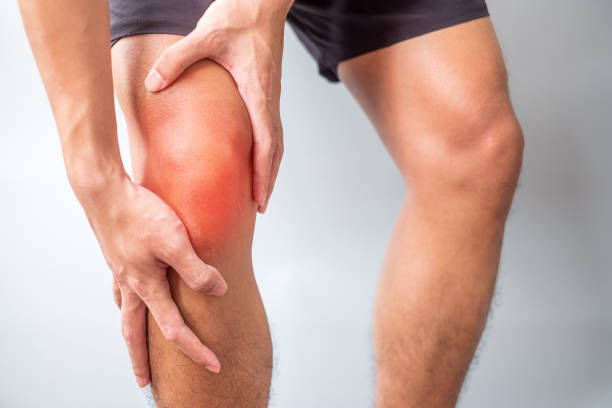
Patellofemoral pain syndrome (PFPS) is a common knee condition involving pain at the front of the knee, where the kneecap (patella) meets the thigh bone (femur). This area is known as the patellofemoral joint, and when it’s under stress or moving incorrectly, pain and inflammation can follow.
A related condition is patellofemoral chondromalacia, also called chondromalacia patellofemoral, which refers to the softening and breakdown of the cartilage on the underside of the kneecap. While general patellofemoral pain often resolves with conservative care, chondromalacia involves structural cartilage changes that may require closer management. Over time, if left unaddressed, this can progress to patellofemoral arthropathy or patellofemoral arthrosis, where degenerative joint changes become more significant.
Patellofemoral Maltracking and Related Conditions
Patellofemoral maltracking occurs when the kneecap does not move smoothly within its groove during knee movement. Instead of gliding centrally, it shifts or tilts to one side. This abnormal movement creates uneven pressure on the cartilage, which can cause pain and accelerate wear over time.
Patellofemoral joint syndrome is a broader term that encompasses maltracking, chondromalacia, and general anterior knee pain. Understanding the specific cause helps guide the most appropriate treatment approach.
Causes and Risk Factors
Several factors can contribute to patellofemoral pain:
- Overuse and repetitive loading: Activities like running, cycling, or squatting repeatedly stress the patellofemoral joint
- Weak or tight muscles: Weakness in the quadriceps (particularly the VMO) and hip muscles reduces kneecap support; tightness adds further strain
- Sudden increase in activity: Ramping up training too quickly is a common trigger
- Knee anatomy: An unusually shaped kneecap or shallow trochlear groove can predispose certain people to maltracking
Those most at risk include athletes, active teenagers, and women aged 20 to 40. The condition is particularly common in runners and people who participate in jump-heavy sports.
Symptoms of Patellofemoral Pain
Patellofemoral pain tends to develop gradually rather than from a single incident. Common symptoms include:
- A dull ache at the front or sides of the knee
- Pain during squatting, climbing stairs, or sitting for long periods with bent knees
- A cracking or popping sensation when bending the knee
- Symptoms that worsen with increased or sustained activity
Patellofemoral Treatment Approaches
Conservative Treatment
For most people, patellofemoral pain responds well to conservative management:
- RICE method: Rest, ice, compression, and elevation during flare-ups
- Activity modification: Reducing high-impact or aggravating activities while maintaining general movement
- Anti-inflammatory medications: Short-term use to manage pain and swelling
- Orthotics and footwear: Corrective insoles can reduce abnormal loading through the knee
Patellofemoral Taping
Taping is a widely used tool to support the kneecap and reduce pain during activity. The McConnell taping technique is one of the most established methods for patellofemoral syndrome. It works by physically repositioning the patella to improve tracking and offload painful areas.
Taping for patellofemoral syndrome is most effective when used as part of a broader physiotherapy program rather than as a standalone fix. Kinesiology tape offers a more flexible option for ongoing support, while rigid taping provides stronger correction during rehabilitation exercises.
Physiotherapy and Further Intervention
Physiotherapy is the cornerstone of patellofemoral treatment. A physiotherapist will assess the contributing factors and design an exercise program targeting strength, flexibility, and movement control.
For cases that don’t respond to conservative care, corticosteroid injections may be considered to manage inflammation. In more advanced cases involving patellofemoral arthrosis or significant chondromalacia, surgical options such as cartilage repair or realignment procedures may be discussed with a specialist.
Patellofemoral Recovery Time
Recovery time varies depending on severity and how consistently treatment is followed. Mild cases may improve within a few weeks, while more persistent or complex presentations can take several months.
Key factors that influence recovery include:
- Severity of cartilage involvement or maltracking
- Adherence to an exercise program
- Ability to modify aggravating activities
Returning to sport or full activity is guided by symptom resolution and functional strength, not just pain levels. A gradual return with physiotherapy support reduces the risk of recurrence.
Exercises for Patellofemoral Pain Syndrome
Patellofemoral Strengthening Exercises
Strengthening the muscles that support the kneecap is essential for long-term recovery. Key patellofemoral exercises include:
- Mini squats and wall slides: Build quad strength with controlled knee loading
- Step-ups and step-downs: Improve single-leg control and VMO activation
- Clamshells and side-lying leg raises: Target hip abductor strength to improve kneecap alignment
- Single-leg balance: Develops stability and neuromuscular control around the knee
Stretches for Patellofemoral Pain Syndrome
Flexibility work reduces tension around the knee and supports better patella movement:
- Quadriceps stretch: Relieves tightness that pulls the kneecap upward
- Hamstring stretch: Reduces posterior chain tension affecting knee mechanics
- Hip flexor and IT band stretch: Addresses lateral tightness contributing to maltracking
- Calf stretch: Supports overall lower limb flexibility
Consistent stretching alongside strengthening gives the patellofemoral joint the best environment to recover and function well.
How ME Physio Can Help
Knee pain affects more than just exercise. It impacts how you move through everyday life. At ME Physio in Malvern East, our physiotherapists take a thorough approach to patellofemoral pain, identifying what’s driving your symptoms and addressing it directly through hands-on treatment, taping, and targeted rehabilitation.