Perimenopause Symptoms & How Physio Can Help
What we’ll cover
- What Is Perimenopause?
- The Difference Between Perimenopause and Menopause
- When Does It Start?
- What Causes the Symptoms?
- Signs and Symptoms of Perimenopause
- Irregular and Long Periods
- Extreme Fatigue
- Joint Pain and Musculoskeletal Changes
- Headaches
- Breast Tenderness
- Hair Loss
- Itchy Skin
- Changes in Body Composition
- Flatulence and Digestive Changes
- Perimenopause Checklist: Could This Be You?
- Perimenopause Treatment Options
- Exercise and Strength Training
- Hydrotherapy
- Yoga and Movement Practices
- Pelvic Floor Physiotherapy
- Nutrition and Supplements
- Foods for Perimenopause
- Best Supplements for Perimenopause
- When Does Perimenopause Start and How Do You Know?
- Testing
- Finding Support Near You
- Losing Weight During Perimenopause
- Frequently Asked Questions
- What is the difference between perimenopause and menopause?
- What age does it start in Australia?
- How long does it last?
- Can a physiotherapist help?
- Is treatment covered by Medicare or Home Care Packages in Australia?
- What exercises are best?
Perimenopause is the natural transitional phase your body goes through in the years leading up to your final menstrual period. It is not a disease or a disorder. It is a normal biological process. But for many women, the symptoms arrive quietly and confusingly, often years before they connect the dots.
Mood shifts, joint aches, irregular periods, extreme fatigue. These are not random. They are signs of this transition, and they can significantly affect your quality of life if left unmanaged.
What many women do not realise is that physiotherapy plays a meaningful, evidence-based role in managing several of these symptoms, particularly the musculoskeletal, pelvic, and fatigue-related ones. At ME Physio, we work with women navigating this transition every day, helping them move better, feel stronger, and stay active through every stage of life.
What Is Perimenopause?
Perimenopause literally means “around menopause.” It is the stage of life when your ovaries gradually begin producing less oestrogen, setting off a cascade of hormonal and physical changes. Unlike menopause, which is defined as the point 12 consecutive months after your last period, this phase is the transition leading up to that milestone.
The Difference Between Perimenopause and Menopause
This is one of the most commonly asked questions, and the distinction matters clinically. The transitional phase can last anywhere from 2 to 10 years and is marked by fluctuating hormone levels, irregular cycles, and a wide range of symptoms. Menopause is a single point in time: the day you reach 12 months without a period. Post-menopause refers to everything that follows.
When Does It Start?
The age of onset varies. Most women begin noticing changes somewhere between their mid to late 40s, though it can start as early as the late 30s for some. The average age of menopause in Australia is 51 to 52, which means this transition often begins in the mid-40s and sometimes earlier.
If you are in your 40s and your cycles are shifting or you are experiencing new symptoms, it is worth considering.
What Causes the Symptoms?
The primary driver is fluctuating oestrogen. During this phase, oestrogen does not simply decline. It swings up and down unpredictably before eventually falling. This hormonal volatility is what causes the wide variety of symptoms women experience. Oestrogen receptors exist throughout the body, in joints, skin, brain, gut, and pelvic tissue, which is why this transition can feel like so many different things at once.
If you are interested in healthy ageing and staying strong through life’s transitions, explore our healthy ageing physiotherapy services.
Signs and Symptoms of Perimenopause
No two women experience this transition identically. The symptoms can be subtle at first, then intensify. Here is a thorough overview of the most common signs, including several that are frequently overlooked.
Irregular and Long Periods
One of the earliest and most consistent signs is a change in your menstrual cycle. Periods may become shorter, longer, heavier, lighter, or simply unpredictable. You might go from a regular 28-day cycle to something erratic, sometimes 21 days, sometimes 45.
Longer periods are common as oestrogen levels fluctuate and the uterine lining builds and sheds inconsistently. Some women also experience four months or more without a period, which can be alarming if unexpected.
When to see your GP: Heavy bleeding, periods lasting more than 10 days, or bleeding after intercourse should always be assessed by your doctor. Irregular cycles alone are typically normal, but ruling out other causes is important.
Where physio fits: Physiotherapy does not directly treat hormonal cycle changes, but it plays a role in managing the fatigue and pelvic floor symptoms that often accompany irregular and heavy periods.
Extreme Fatigue
Extreme fatigue is one of the most debilitating and underreported symptoms of this transition. It goes beyond feeling tired. Many women describe a bone-deep exhaustion that persists regardless of how much sleep they get.
The causes are layered. Disrupted sleep from night sweats or insomnia, hormonal changes affecting energy metabolism, and the gradual deconditioning that comes from reduced activity all contribute.
The physio connection: Graded exercise therapy and structured physical activity are evidence-based interventions for fatigue. Regular, appropriately prescribed movement improves sleep quality, supports metabolic function, and counters the deconditioning cycle. Our physiotherapists build progressive exercise programs that work with your energy levels, not against them.
Joint Pain and Musculoskeletal Changes
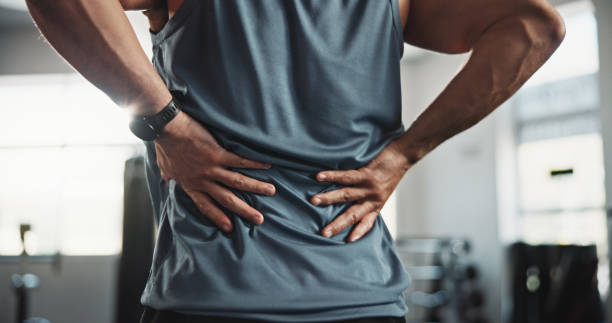
Joint pain and stiffness are among the most direct symptoms where physiotherapy excels. Oestrogen has a protective role in joint health. It reduces inflammation and supports cartilage integrity. As levels decline, joints become more vulnerable to pain, swelling, and injury.
Many women notice aches in their fingers, knees, hips, and lower back that seem to appear from nowhere. These are not imaginary. They are a recognised musculoskeletal consequence of hormonal change.
How physiotherapy helps:
- Joint assessment and load management
- Strength training to offload vulnerable joints
- Hydrotherapy for low-impact joint mobilisation and pain relief
- Posture correction and ergonomic advice
Learn more about our hydrotherapy services at ME Physio, a particularly effective option for hormonally driven joint pain.
Headaches
Hormonal headaches are well established in the medical literature, and many women find they worsen as oestrogen levels fluctuate. These headaches often appear around the time of menstruation or during periods of low oestrogen.
A lesser-known contributor is cervicogenic headache, which refers to headaches that originate from the neck and cervical spine. Poor posture, desk-based work, and muscle tension can all worsen at this stage of life, particularly if fatigue leads to reduced physical activity and more time sitting.
Physio’s role: Cervical spine assessment, soft tissue work, postural retraining, and dry needling can meaningfully reduce the frequency and intensity of tension-type and cervicogenic headaches.
Breast Tenderness
Breast tenderness at this stage is caused by fluctuating oestrogen and progesterone levels, the same mechanism behind pre-menstrual breast soreness, but potentially more pronounced. It typically presents as a generalised heaviness or sensitivity rather than a localised lump.
Important: Any new lump, asymmetry, or skin change should be assessed by your GP promptly. This type of tenderness is usually diffuse and cyclical, but it should never be self-diagnosed.
Physio note: Postural assessment can help. Rounded shoulders and thoracic kyphosis can increase chest wall tension and worsen the perception of breast discomfort.
Hair Loss
Hair thinning and loss at this stage is caused by falling oestrogen and, in some cases, relative androgen dominance as hormones rebalance. The hair growth cycle is sensitive to hormonal shifts, and many women notice increased shedding, reduced density, or a change in hair texture.
This is a genuine and distressing symptom, not vanity. It is best managed by a GP or dermatologist who can assess thyroid function, iron levels, and other contributing factors. Stress management and nutrition also play a supporting role, two areas where a physiotherapist can contribute through exercise prescription and lifestyle guidance.
Itchy Skin
Oestrogen plays a critical role in maintaining skin hydration and barrier function by supporting collagen production and oil gland activity. As levels decline, skin can become dry, itchy, and more sensitive.
This symptom is typically managed through topical treatments and hydration strategies. If itching is persistent or severe, see your GP to rule out dermatological conditions unrelated to this hormonal shift.
Changes in Body Composition
The redistribution of body fat, particularly the accumulation of visceral fat around the abdomen, is one of the most frustrating changes women experience during perimenopause. This is not simply a matter of eating more or exercising less. Declining oestrogen shifts fat storage from the hips and thighs toward the abdominal region, driven by hormonal changes that affect insulin sensitivity and fat metabolism.
Why standard dieting often fails: Caloric restriction alone tends to trigger muscle loss alongside fat loss, worsening metabolic function over the long term.
The evidence-based approach: Resistance training and strength-based exercise is the most effective intervention for managing abdominal fat gain. Building muscle mass improves metabolic rate, improves insulin sensitivity, and specifically targets visceral fat reduction.
Our Strength and Conditioning and Clinical Pilates programs at ME Physio are designed with exactly this in mind.
Flatulence and Digestive Changes
Bloating, flatulence, and digestive irregularity are common but rarely discussed. The gut is rich in oestrogen receptors, and as hormone levels fluctuate, gut motility and the gut microbiome can be affected, leading to increased gas, bloating, and altered bowel habits.
The pelvic floor connection is worth noting. The muscles of the pelvic floor and the bowel work in close coordination. Pelvic floor dysfunction, which becomes more common during this phase, can contribute to difficulty with bowel emptying and increased flatulence.
A physiotherapist trained in pelvic floor assessment can identify and address this contributor as part of a broader management plan.

Perimenopause Checklist: Could This Be You?
If you are unsure whether what you are experiencing might be perimenopause, use this checklist as a starting point. Tick any symptoms you have noticed in the past three months:
- Irregular, longer, or shorter menstrual cycles
- Heavier or lighter than usual periods
- Hot flushes or night sweats
- Extreme fatigue that sleep does not resolve
- Joint pain or stiffness (especially fingers, knees, and hips)
- Mood changes including irritability, anxiety, or low mood
- Difficulty concentrating or memory lapses
- Headaches (new or worsening)
- Sleep disturbances or insomnia
- Vaginal dryness or discomfort during intercourse
- Increased urgency or frequency of urination
- Hair thinning or texture changes
- Itchy or dry skin
- Bloating or digestive changes
- Changes in libido
- Breast tenderness
If you are ticking four or more of these symptoms and you are in your 40s or early 50s, speak to your GP and consider booking a physiotherapy assessment to address the musculoskeletal and pelvic symptoms that physio can directly manage.
This checklist is a general guide only and is not a diagnostic tool. Always consult a healthcare professional for a formal assessment.
Perimenopause Treatment Options
Treatment in Australia has evolved significantly. There is no single right approach. The best plan is one tailored to your symptoms, health history, and personal preferences.
Medical options include Hormone Replacement Therapy (HRT), which remains the most effective treatment for hot flushes, night sweats, and vaginal symptoms. Modern HRT is considered safe for most healthy women and is increasingly prescribed by GPs and menopause specialists. Antidepressants, gabapentin, and other medications may also be used for specific symptoms.
Allied health, including physiotherapy, psychology, and dietetics, forms a critical component of evidence-based care, particularly for musculoskeletal symptoms, pelvic floor dysfunction, fatigue, and weight management.
Lifestyle interventions, covering exercise, nutrition, sleep hygiene, and stress management, underpin all other treatment approaches.
GP referral pathways in Australia: A GP can refer you to a physiotherapist through a Chronic Disease Management (CDM) plan, which may provide Medicare rebates for up to five allied health visits per year. If you hold a Home Care Package, physiotherapy services can often be funded through your package.
Exercise and Strength Training
Resistance training is the single most evidence-supported exercise intervention during this stage of life. The benefits are substantial and well-documented:
- Reduces visceral fat accumulation around the abdomen
- Protects bone density, which is critical as oestrogen decline accelerates bone loss
- Improves insulin sensitivity and metabolic rate
- Supports mood regulation through endorphin release
- Maintains muscle mass to support joint health and reduce fall risk
Aim for at least two to three strength-based sessions per week. The key is progressive load. Your muscles need to be challenged to adapt.
ME Physio’s Strength and Conditioning program and Clinical Pilates classes are designed and supervised by physiotherapists, ensuring exercise is both effective and safe for your body’s current state.
Hydrotherapy
Hydrotherapy, which involves exercise in a heated pool, offers unique benefits for women experiencing joint pain and fatigue at this stage. The buoyancy of water reduces load on painful joints by up to 90 percent, allowing movement that may be uncomfortable on land.
Benefits include improved joint mobility, cardiovascular conditioning, reduced muscle tension, and a mood-lifting effect from warm water immersion.
Yoga and Movement Practices
Yoga is widely recommended at this stage of life, and with good reason. It supports flexibility, reduces cortisol, improves sleep, and provides a mindful movement practice that many women find grounding during a period of change.
For women seeking a more clinically structured alternative, Clinical Pilates offers similar benefits with the added advantage of being designed and supervised by a physiotherapist. It specifically targets core stability, pelvic floor function, posture, and strength, all of which are particularly relevant during this transition.
Pelvic Floor Physiotherapy
The pelvic floor, the group of muscles, ligaments, and connective tissue at the base of the pelvis, is highly sensitive to oestrogen. As levels decline, the pelvic floor can weaken, leading to:
- Stress urinary incontinence, which is leaking with coughing, sneezing, or exercise
- Urgency incontinence, which presents as a sudden and urgent need to urinate
- Pelvic organ prolapse, felt as heaviness or pressure in the pelvic region
- Pelvic pain and discomfort during intercourse
- Bowel changes, including difficulty with bowel emptying
These symptoms are common, but they are not inevitable and they are not something you simply have to accept. Pelvic floor physiotherapy is highly effective. A physiotherapist trained in pelvic health will conduct a thorough assessment and develop a personalised rehabilitation program.
This is one of the most high-impact things a physiotherapist can do for a woman at this stage. If you are experiencing any of the above, please do not wait. Book an assessment today.
Nutrition and Supplements
Foods for Perimenopause
A supportive diet during this phase is primarily anti-inflammatory and nutrient-dense. Key principles include:
Calcium-rich foods are critical as bone density begins to decline. Aim for dairy products, leafy greens, almonds, and calcium-fortified foods. Adults over 50 are recommended to aim for 1,300mg of calcium per day.
Phytoestrogens, which are plant compounds with weak oestrogen-like effects, are found in soy products, flaxseed, legumes, and wholegrains. Some research suggests modest benefits for hot flushes, though the evidence varies.
Protein is essential for maintaining muscle mass. Lean meats, fish, eggs, legumes, and dairy should feature consistently across meals.
Anti-inflammatory foods including oily fish, berries, olive oil, and colourful vegetables support joint health and cardiovascular function, both of which become increasingly important as you move through this transition.
Best Supplements for Perimenopause
Several supplements have evidence supporting their use during this stage, though quality and dosage matter enormously. Always consult your GP before starting.
Magnesium is arguably the most relevant supplement from a physiotherapy perspective. It supports muscle function, reduces cramping, improves sleep quality, and has a calming effect on the nervous system. Many Australian women are deficient. From a musculoskeletal standpoint, adequate magnesium supports the muscle function that underpins all physio-based exercise interventions.
Vitamin D is critical for calcium absorption and bone health, making it directly relevant to osteoporosis prevention, which accelerates post-menopause. Many Australians, despite plentiful sunshine, have suboptimal levels. A simple blood test via your GP can confirm your status.
Calcium supplements may be appropriate if dietary intake is insufficient, though food sources are preferred where possible.
When Does Perimenopause Start and How Do You Know?
Testing
This is primarily a clinical diagnosis based on your age, symptoms, and cycle changes. Blood tests including FSH (follicle-stimulating hormone) and oestradiol levels can provide supporting information, but they are not definitive because hormone levels fluctuate significantly during perimenopause.
At-home test kits measuring FSH are available in Australian pharmacies. A single elevated FSH reading can suggest this transition is underway, but levels vary cycle to cycle and a normal result does not rule it out. Think of these tests as a useful prompt for a GP conversation, not a standalone diagnosis.
Finding Support Near You
For an accurate assessment and discussion of treatment options, see your GP as the first step. In Melbourne, GPs with a special interest in women’s health and menopause medicine are increasingly available. Your GP can also coordinate allied health referrals, including physiotherapy, as part of an integrated care plan.
If you are in Malvern East, Caulfield South, or the surrounding eastern Melbourne suburbs, our team at ME Physio works collaboratively alongside your GP and other healthcare providers to manage your symptoms holistically. We welcome GP referrals and Chronic Disease Management plans.
Losing Weight During Perimenopause
Weight management during this phase is one of the most common concerns we hear, and one of the most misunderstood. Many women do everything they have always done, cutting calories and increasing cardio, and find it no longer works. This is not a willpower failure. It is physiology.
Why standard dieting fails:
- Declining oestrogen shifts fat storage to the abdomen
- Metabolic rate decreases as muscle mass is lost
- Insulin sensitivity decreases, making carbohydrate metabolism less efficient
- Calorie restriction without resistance training accelerates muscle loss, further lowering metabolism
The evidence-based approach:
- Prioritise strength training over cardio to build muscle, raise your resting metabolic rate, and counter hormonal fat redistribution
- Increase protein intake to preserve muscle mass during any caloric deficit
- Reduce ultra-processed food and refined carbohydrates to improve insulin sensitivity
- Incorporate low-impact cardiovascular activity such as walking, cycling, swimming, or hydrotherapy for cardiovascular health and mood
- Prioritise sleep, as poor sleep is directly linked to increased cortisol and fat storage
ME Physio’s Strength and Conditioning and Clinical Pilates programs are excellent starting points. Our physiotherapists can design a program that is safe, progressive, and tailored to where you are right now.
Frequently Asked Questions
What is the difference between perimenopause and menopause?
Perimenopause is the transitional phase leading up to menopause, typically lasting 2 to 10 years, characterised by fluctuating hormones and irregular periods. Menopause is officially reached once you have gone 12 consecutive months without a menstrual period. Post-menopause refers to all the years that follow.
What age does it start in Australia?
Most Australian women begin this transition in their mid to late 40s, though it can start earlier. The average age of menopause in Australia is around 51 to 52. Premature menopause before the age of 40 affects a smaller percentage of women and warrants early medical review.
How long does it last?
The transition typically lasts between 4 and 8 years, though it can be as short as 2 years or as long as 10 years in some women. The duration varies based on genetics, lifestyle, and individual hormonal timelines.
Can a physiotherapist help?
Yes. Physiotherapy has a well-supported role in managing several symptoms including joint pain and stiffness, fatigue and deconditioning, pelvic floor dysfunction, headaches, and weight management through exercise prescription. At ME Physio, we take a whole-person approach to care at every stage of life.
Is treatment covered by Medicare or Home Care Packages in Australia?
GP visits are covered under Medicare. Allied health visits including physiotherapy may be covered through a Chronic Disease Management (CDM) plan. Ask your GP if you qualify. If you are receiving a Government-funded Home Care Package, physiotherapy services can typically be funded through your package. Contact us at ME Physio to discuss your funding options.
What exercises are best?
Resistance training including weights, resistance bands, and Clinical Pilates is the highest-priority exercise for bone density, muscle mass, and metabolic health. Low-impact cardiovascular exercise such as walking, cycling, swimming, and hydrotherapy supports cardiovascular health and mood. Flexibility work including yoga and stretching supports joint mobility. A physiotherapist can tailor a program to your specific symptoms, fitness level, and goals.